
Paris to Menton: The French Drive We Never Forgot
Twenty-five years later, we still remember the hidden Parisian jazz clubs, Burgundy rooftops, ancient Roman ruins, Mediterranean sunsets—and the night I somehow ended up entertaining two Frenchmen with their own guitar.
By Warren Parrot · 4 September 2026 · 11 min read
From Parisian jazz clubs and Burgundy rooftops to Roman ruins, Mediterranean sunsets and one very memorable night with a borrowed guitar, this French road trip has stayed with us for 25 years.
Some holidays gradually disappear into the fog of time. Others remain stitched together by moments you can still see, smell and occasionally taste decades later.
Our French driving adventure took place roughly 25 years ago, during July/August, following an unforgettable route from Paris to Beaune, Orange, Cassis and Menton. It covered around 1,000 kilometres, but this wasn’t about racing south. It was about watching France change through the windscreen—big-city boulevards giving way to Burgundy vineyards, Roman Provence and, finally, the blue Mediterranean.
Paris: An Early-Morning Welcome
We landed in Paris during the early hours, collected our suitcases and were promptly approached by a dodgy bloke offering us a ride.
Initially, we agreed. Then he began leading us away from the arrivals area, down increasingly quiet back corridors. When we realised we were alone with him and heading nowhere near an official taxi rank, every internal alarm went off. We bolted back towards civilisation and joined the proper taxi queue. Welcome to Paris!
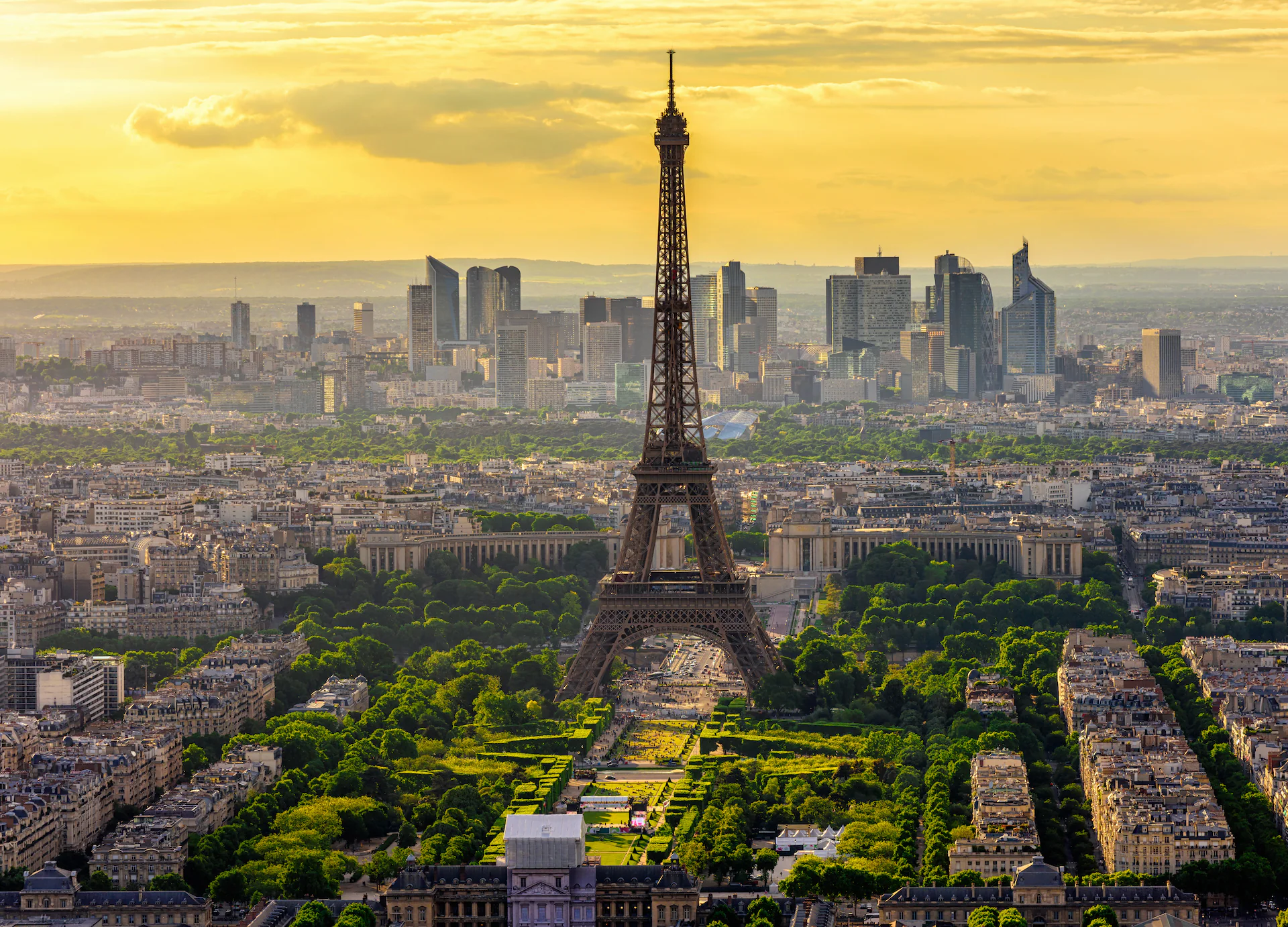
The legitimate drive into the city was magical. Paris hadn’t woken yet; the roads were quiet, the footpaths almost empty and this world-famous city felt as though it had been opened early especially for us.
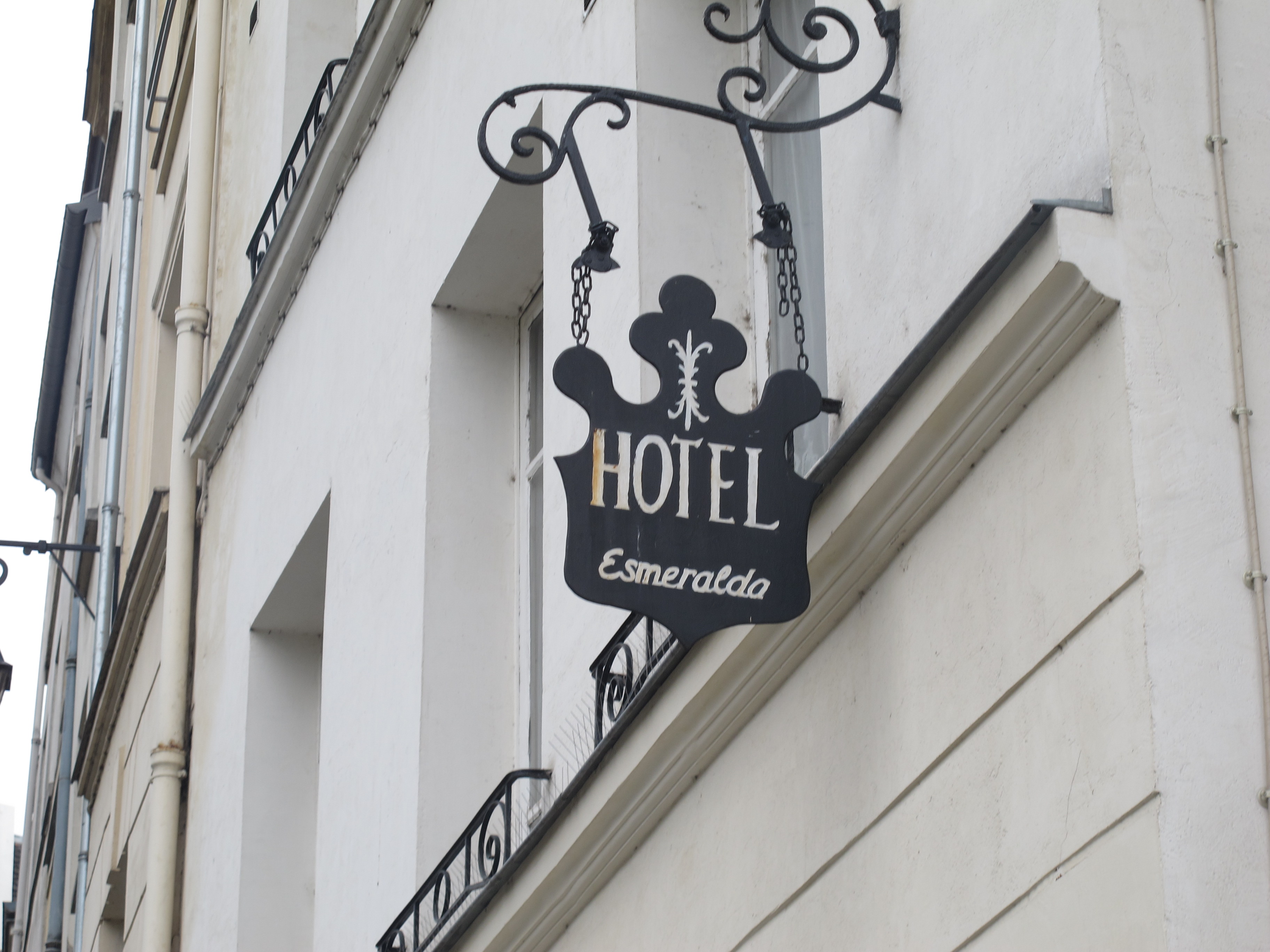
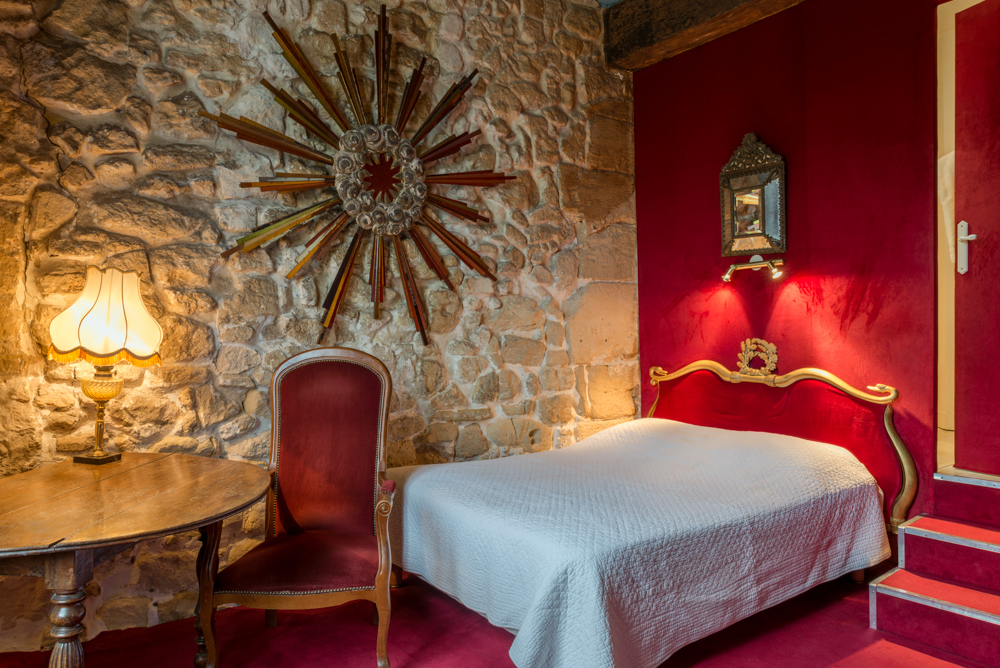
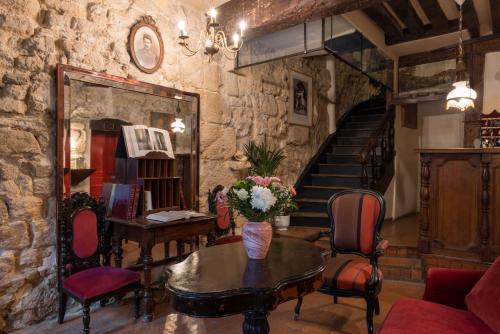
Our hotel was the almost medieval **Hôtel Esmeralda** (opens in a new tab) which perfectly captured what we were looking for in accommodation in Paris. It occupies a 17th-century building in the Latin Quarter, just steps from Notre-Dame. It was old, quaint and wonderfully cramped. Once our suitcases were inside, there was barely enough room left for us. The tiny bathroom somehow squeezed in a toilet and shower, although using one without accidentally activating the other required Olympic-level coordination. They appear to have done the pace up a bit since we were las there!
Bags dropped, we found one of those gloriously Parisian cafés with its outdoor chairs facing the street and settled in for coffee, croissants and people-watching.
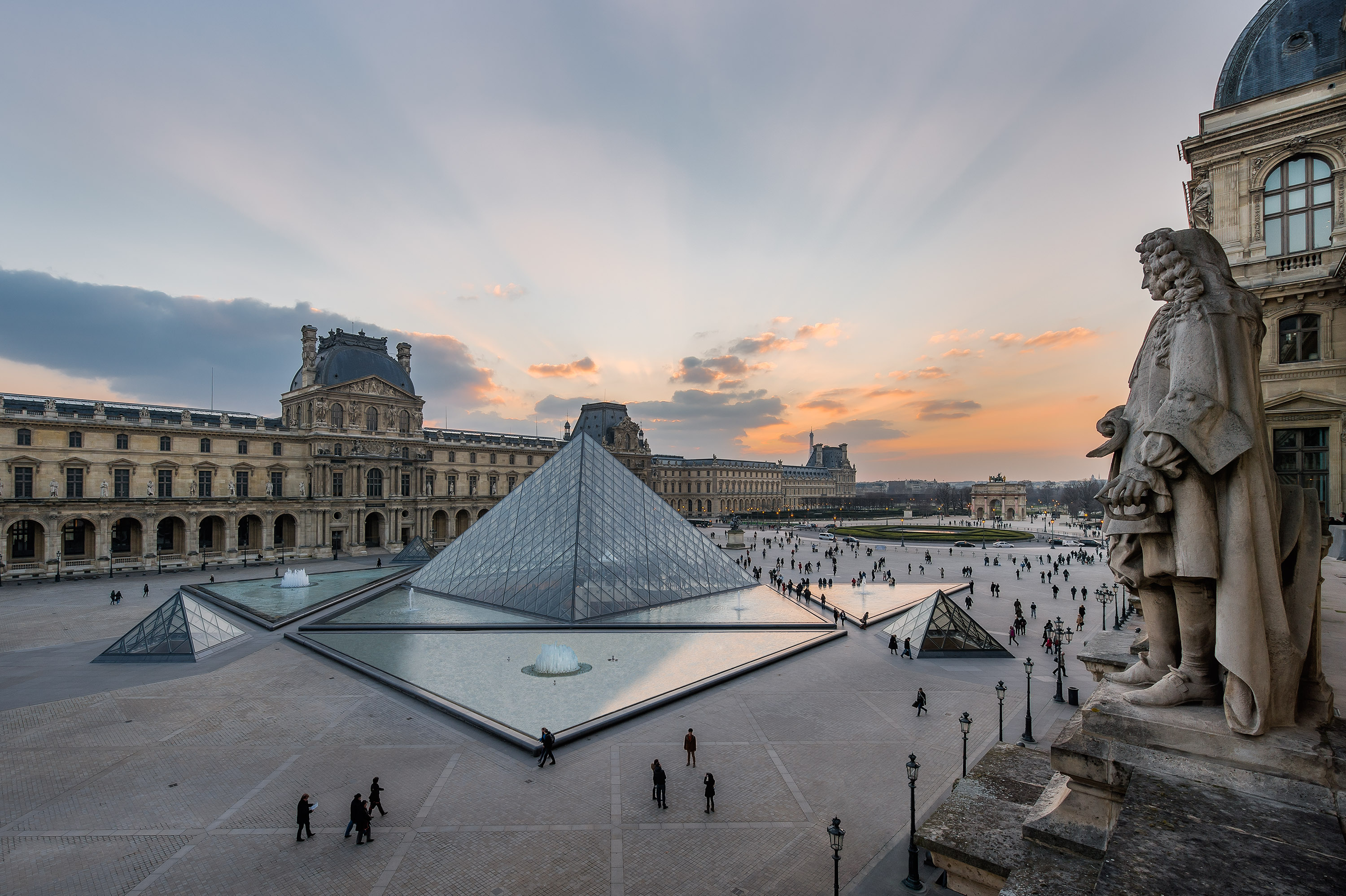
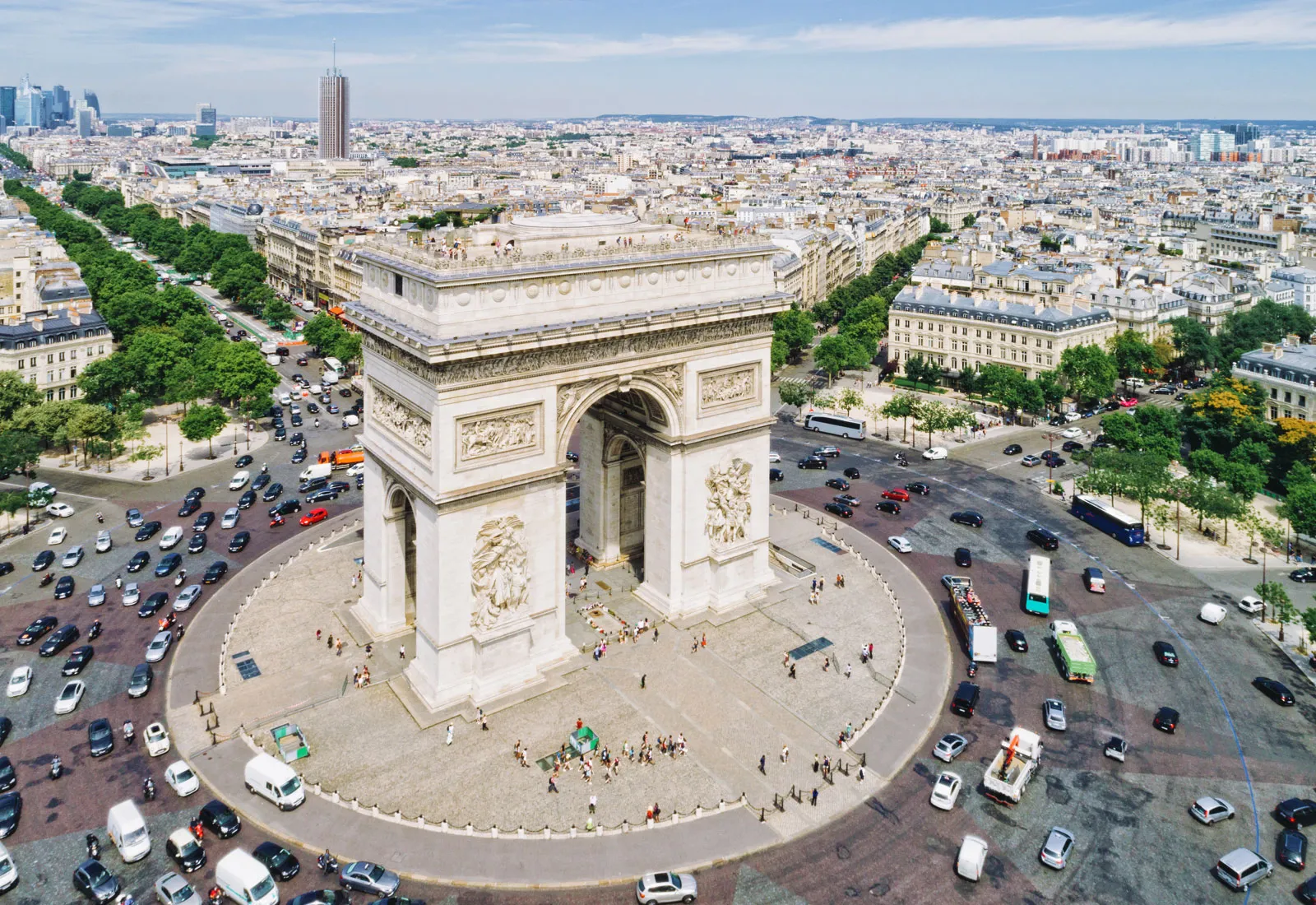
Over the next few days, we pounded the pavement to see the landmarks we had previously known only from books and movies: Notre-Dame Cathedral, the Eiffel Tower, the Louvre, a cruise along the Seine and the Arc de Triomphe, surrounded by its famously chaotic traffic with gargoyle style faces at the top of the monument almost calling out me saying ‘Oi, check out the traffic!’.
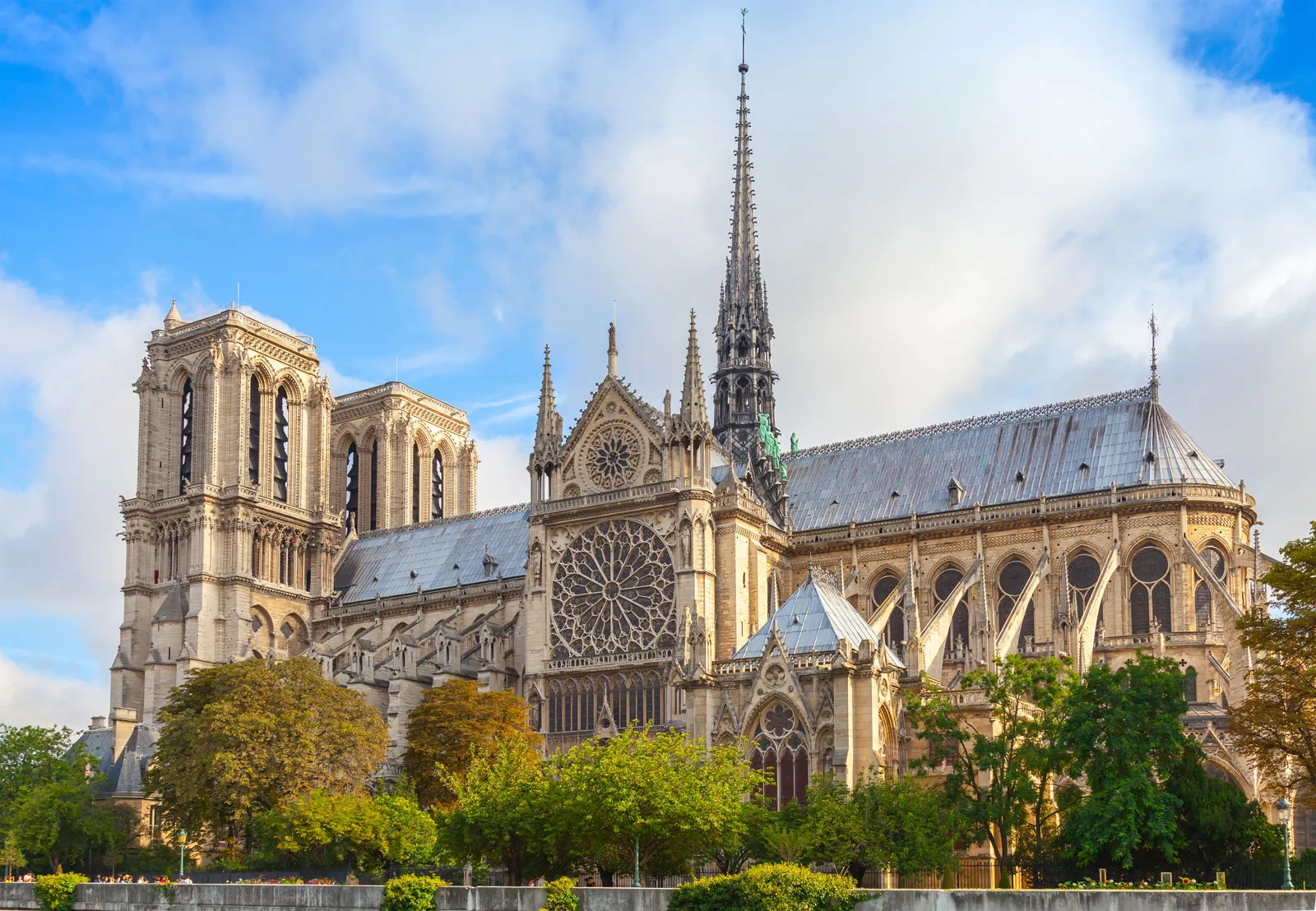
There was temporary seating near the Arc, which I naturally assumed had been installed so spectators could watch French motorists attack the roundabout. I later connected it with the Tour de France. Either way, the traffic deserved its own grandstand.
We ate fondue as though France was about to outlaw it—meat cooked in oil, bread drowned in cheese and marshmallows dipped in chocolate. My favourite after-dinner snack became banana-and-chocolate crêpes, which explains the only full sentence I can still confidently deliver in French:
Je voudrais des crêpes à la banane et au chocolat, s’il vous plaît.
The big kid in me also convinced my fiance—now my wife—to visit Disneyland Paris, still frequently called Euro Disney in those days.
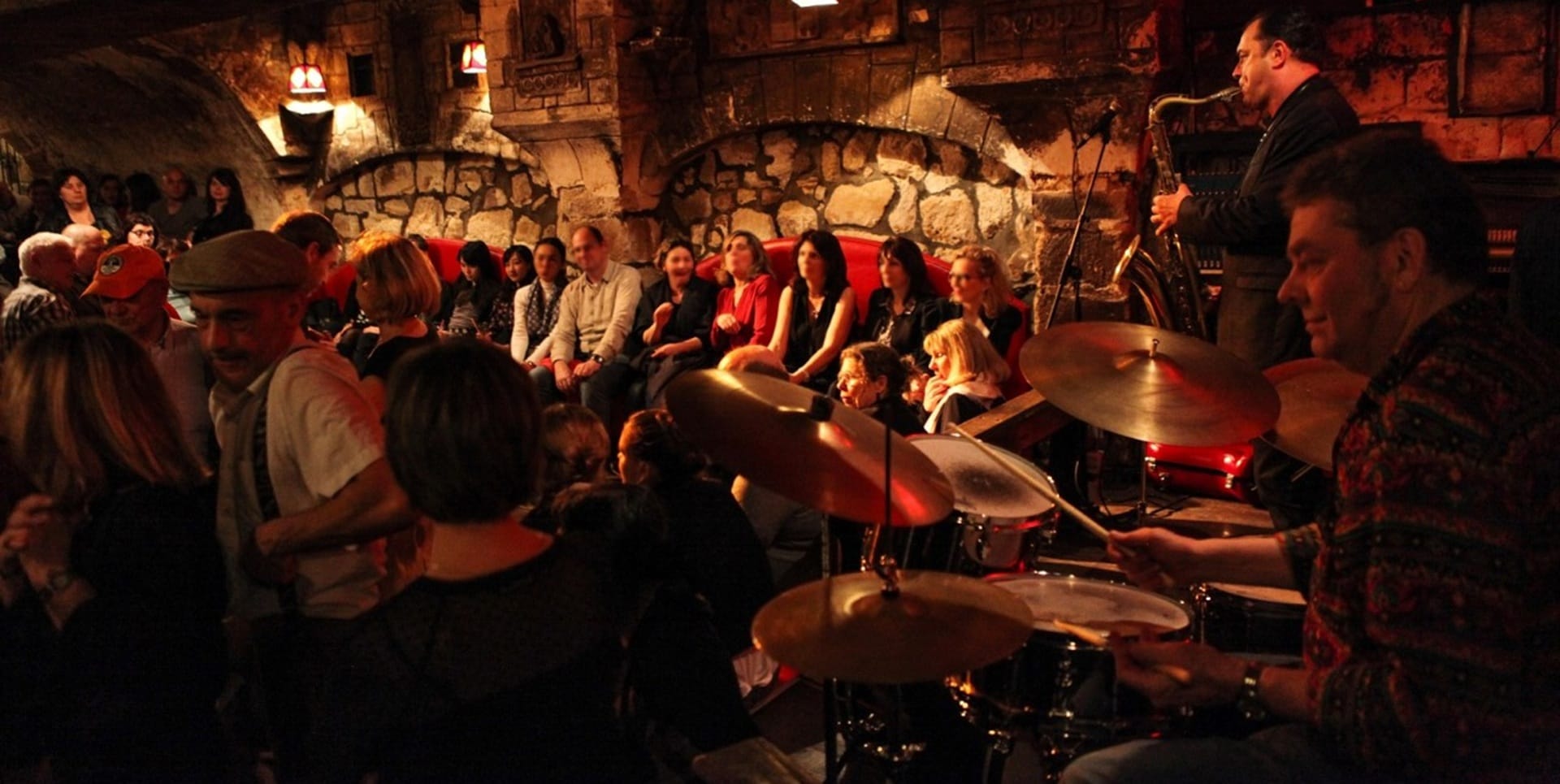
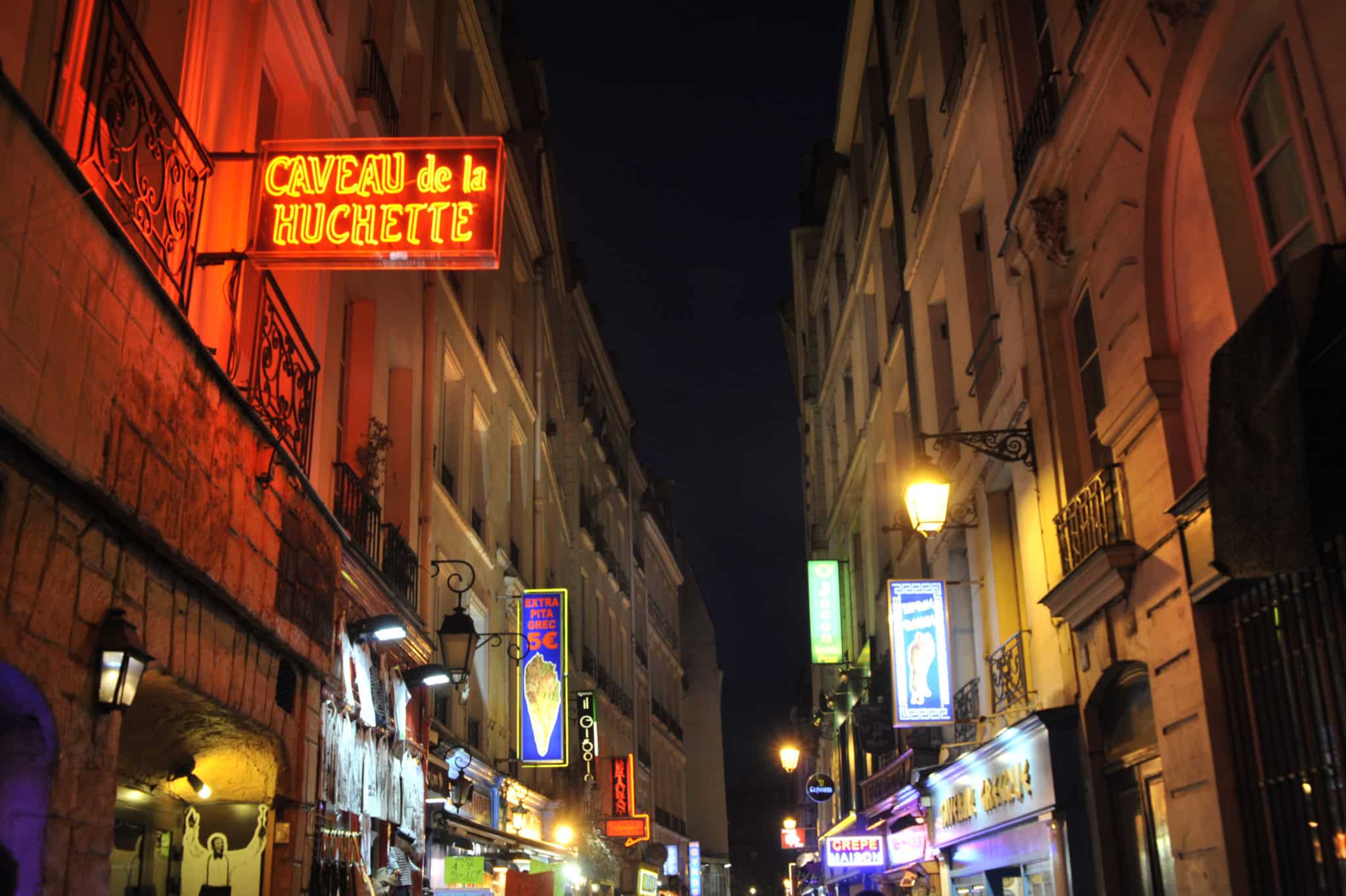
Our greatest Paris discovery, however, was **Caveau de la Huchette** (opens in a new tab). From street level it looked like a quiet little bar, but behind it a narrow staircase descended into an atmospheric stone cellar filled with live jazz, swing dancing and people having an absolute ball. We visited years before La La Land helped introduce it to a new audience. Today it remains open throughout the year, but the days of casually wandering in without a queue may be over.
Paris to Beaune: Approximately 3 Hours 15 Minutes
With our Paris chapter finished, we collected the hire car and pointed it south towards Beaune, pronounced roughly “Bone.”
Sitting in the heart of Burgundy wine country, Beaune felt beautifully preserved. Its stone buildings, remnants of medieval fortifications and illuminated streets made the town look like a fairytale after dark.
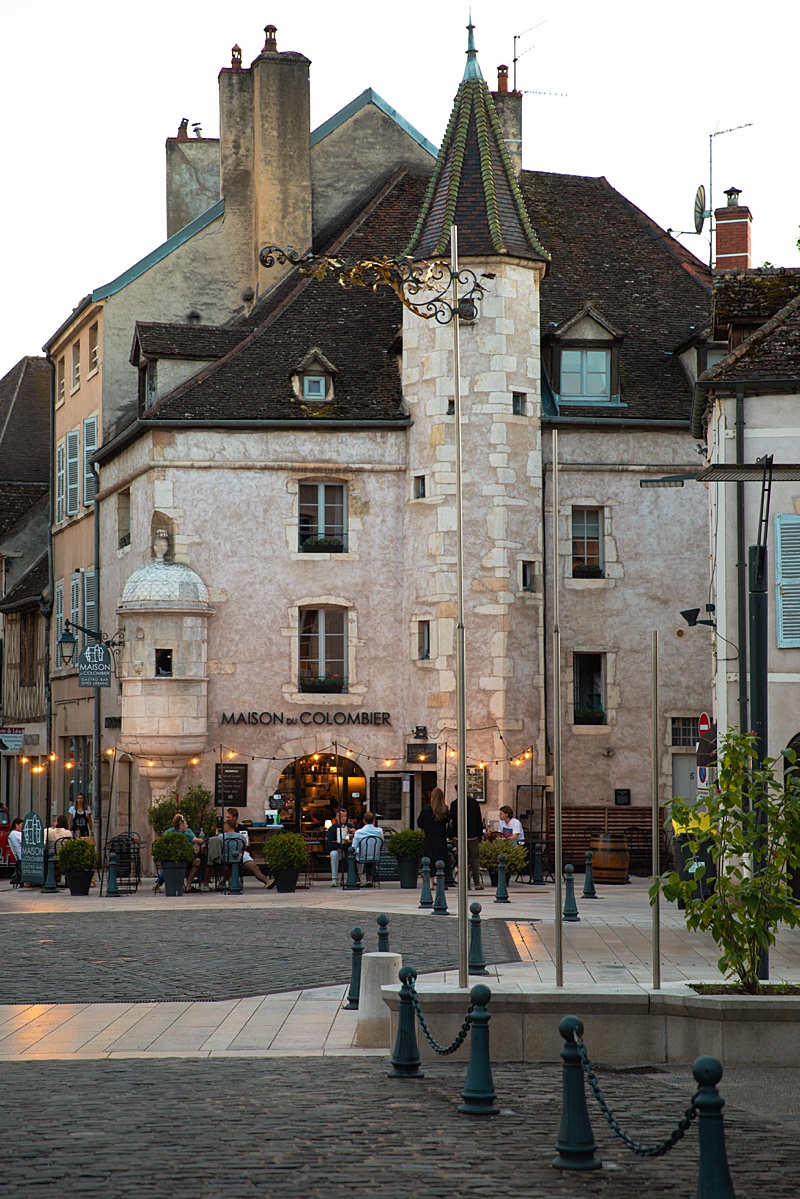
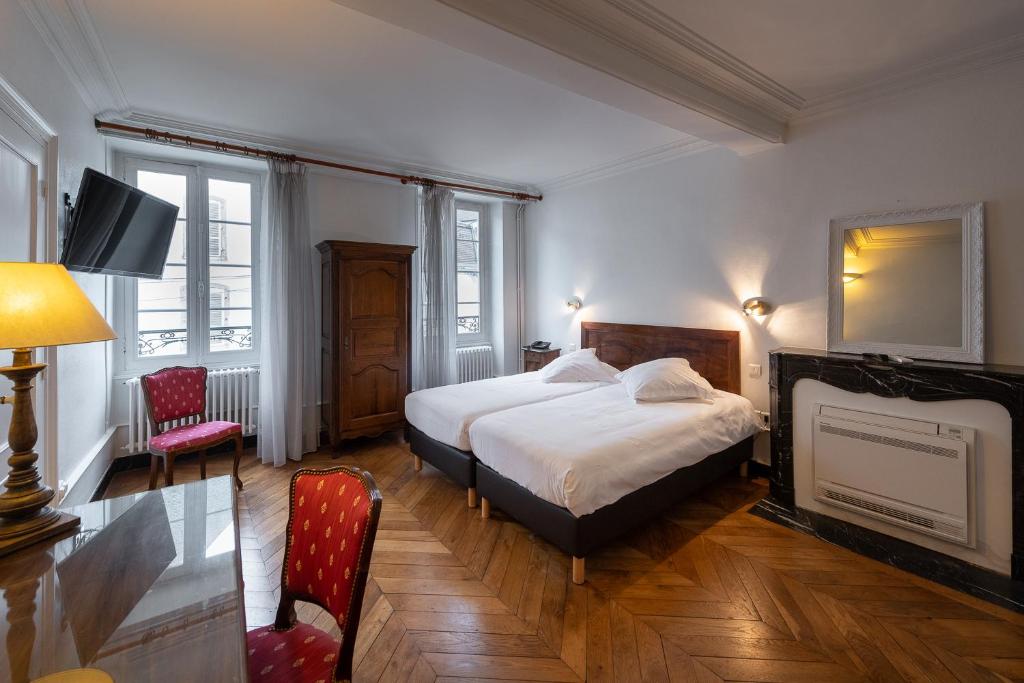
We stayed in a simple two-star hotel where I could climb out the window and look across the rooftops. I wouldn’t recommend repeating that particular sightseeing technique today. For travellers recreating the journey, **Hôtel des Tonneliers** (opens in a new tab) provides a comparable sense of history in a former 17th-century mansion in the old town, although it now operates as a three-star boutique hotel.
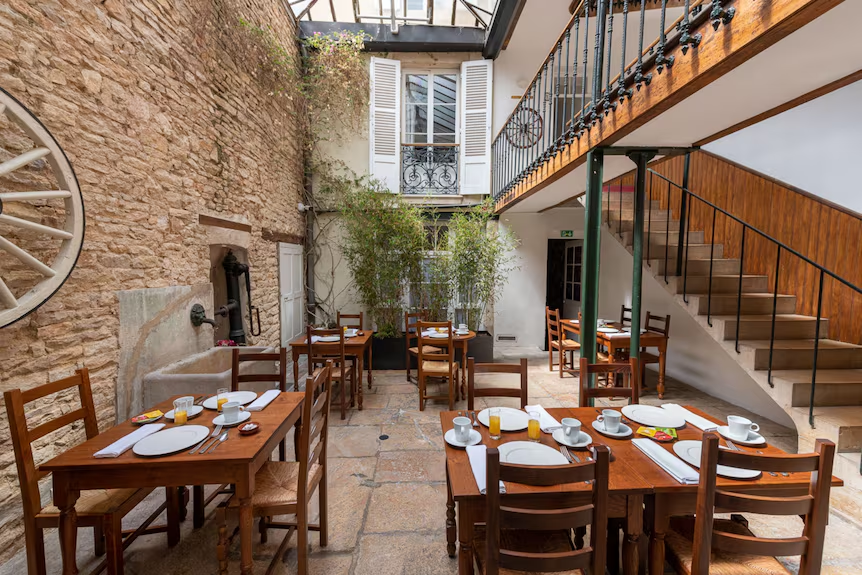
Dinner at **Le Bistrot Bourguignon** (opens in a new tab) would fit the story beautifully: a charming restaurant on a pedestrianised street serving homemade food alongside a serious Burgundy wine list.
We only gave Beaune half a day and one night—far too short. Couples staying longer should visit the magnificent **Hôtel-Dieu des Hospices de Beaune** (opens in a new tab), explore Burgundy’s cellars and vineyards, and take the entertaining tour and tasting at **La Moutarderie Edmond Fallot** (opens in a new tab). Yes, Beaune can even turn mustard into an attraction.
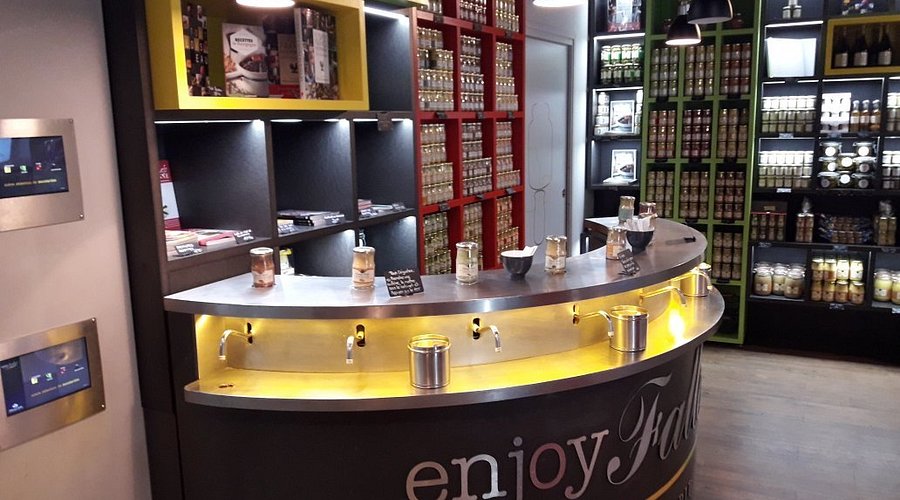
Beaune to Orange: Approximately 3 Hours
Our next stop was Orange—pronounced closer to “oh-RAHNZH” than the way an Aussie orders the fruit.
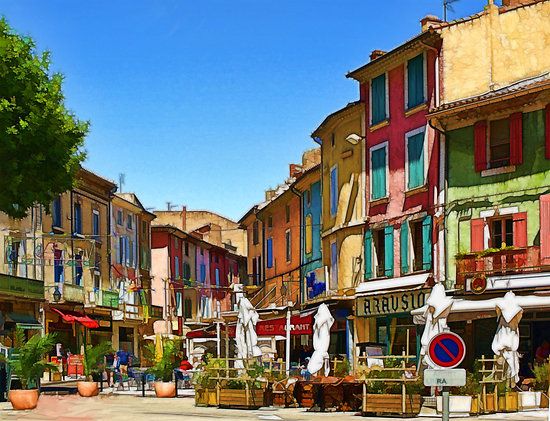
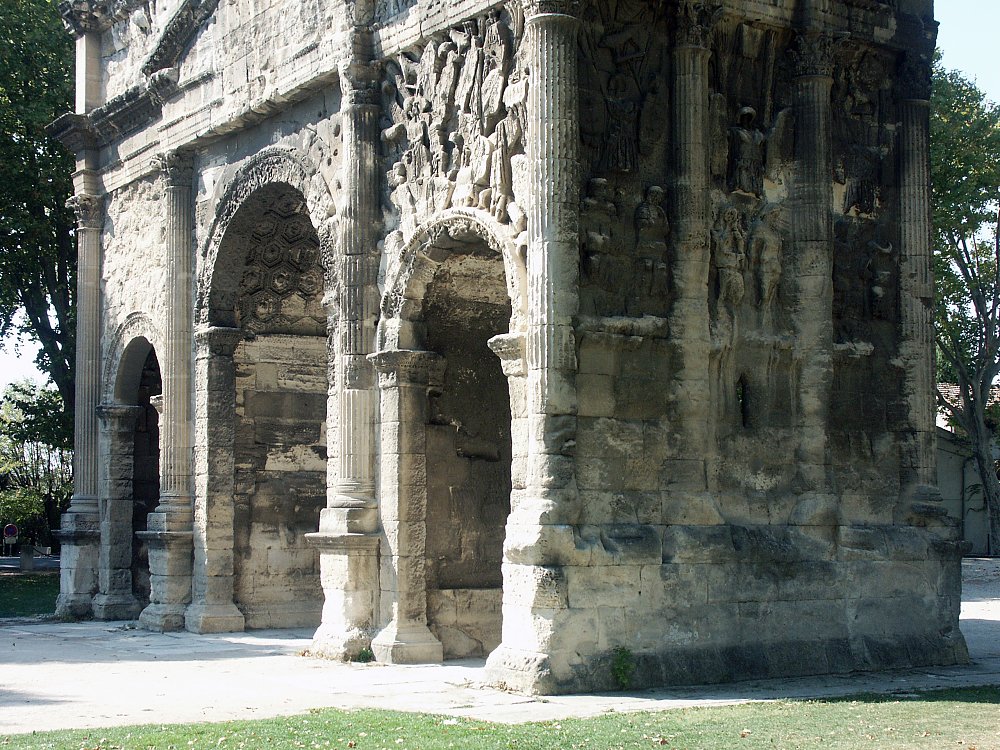
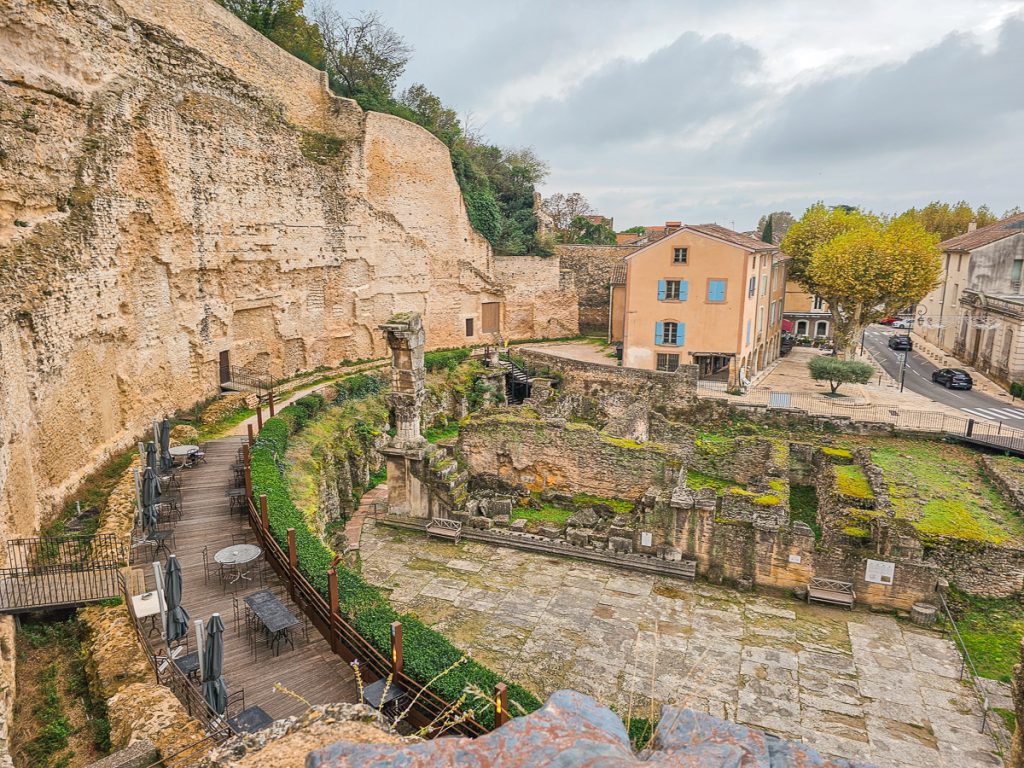
Orange initially felt more modern than Beaune, but then we reached its extraordinary Roman Theatre. Built during the reign of Emperor Augustus in the first century AD, it is among the best-preserved Roman theatres anywhere, retaining its enormous stage wall and still hosting performances today. The city’s other great Roman survivor, the Triumphal Arch, stands north of the historic centre. Orange’s Roman monuments (opens in a new tab) are recognised by UNESCO.
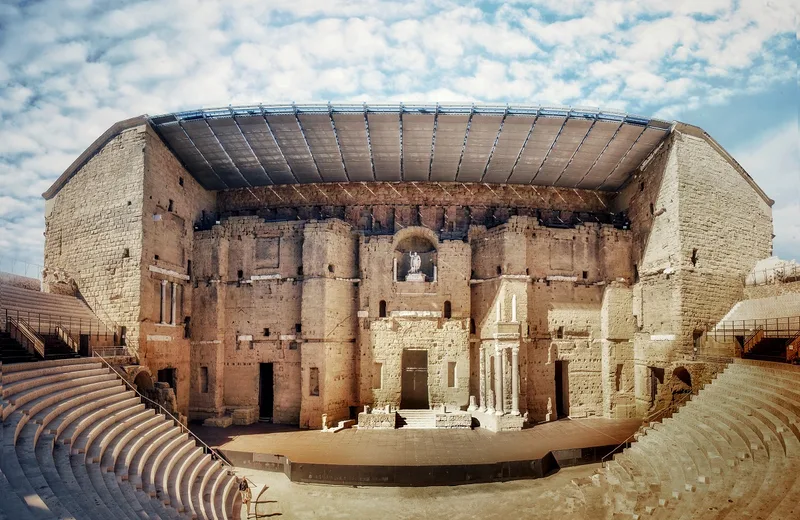
For a romantic dinner today, **Au Petit Patio** (opens in a new tab) offers seasonal French cooking in a warm dining room and attractive courtyard, around five minutes’ walk from the theatre.
After dinner, we passed the Roman ruins, now dark and beautifully quiet, and encountered two Frenchmen playing guitar. Being the famously shy little petal I am, I sat down for a drink. Before long, the guitar was in my hands and I was singing, telling stories and laughing with our new French friends. With the ancient theatre behind us, it became one of those spontaneous travelling nights no organised tour could ever reproduce.
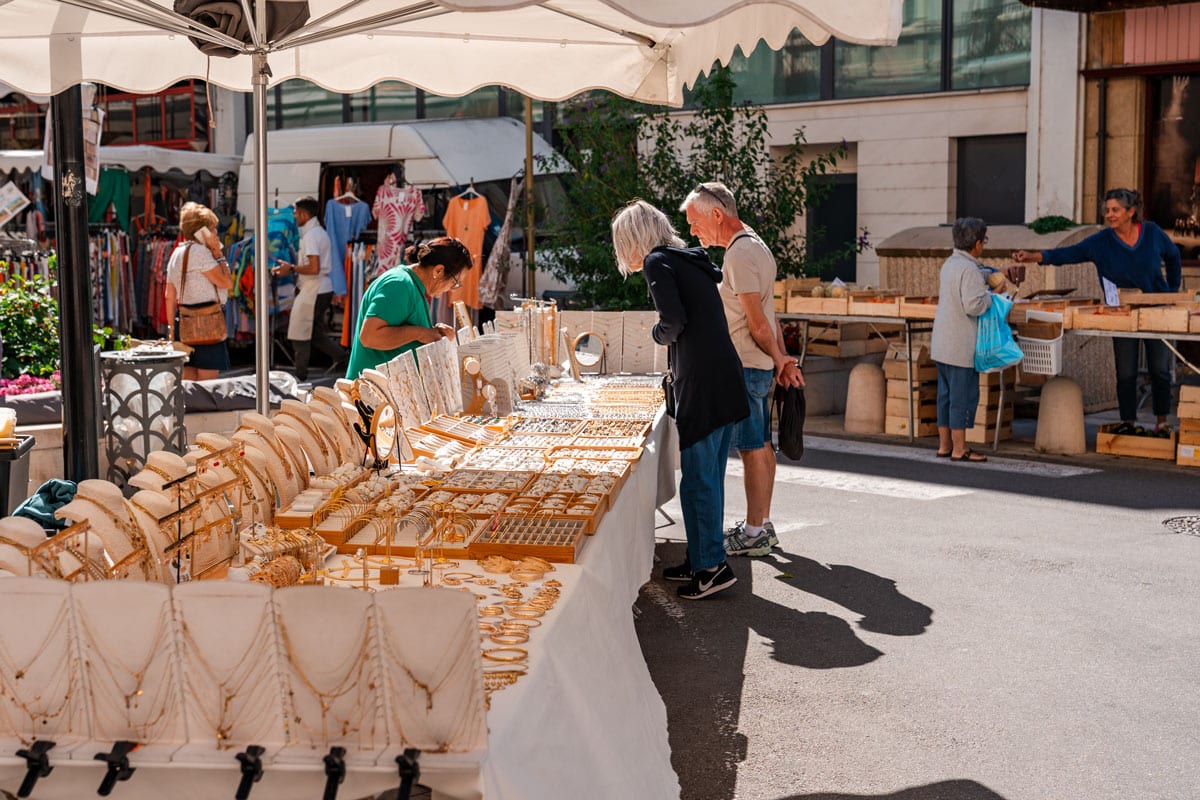
The following morning, we discovered our hotel was beside Orange’s regular market. We abandoned the planned early departure and spent hours drinking coffee, eating croissants and inspecting local produce and handmade goods. Orange’s major Provençal market actually fills the central streets every Thursday morning, with around 300 traders and was quite the surprise for my fiancé and I as we peeked out of the hotel window in the morning to see what all the fuss was about!
Beyond the theatre and market, couples can visit the Triumphal Arch or drive approximately 15 minutes to Châteauneuf-du-Pape for a village walk and Rhône Valley wine tasting.

Orange to Cassis: Approximately 1 Hour 45 Minutes
The drive to Cassis took us south-east through Marseille and provided my toughest stint behind the wheel.
Traffic around Marseille’s enormous harbour was thick and slow. We wanted to stop, but every parking opportunity disappeared before we could understand the signs. This was long before smartphones calmly told us where to turn, so there was plenty of pointing, map-folding and spirited discussion between driver and navigator.
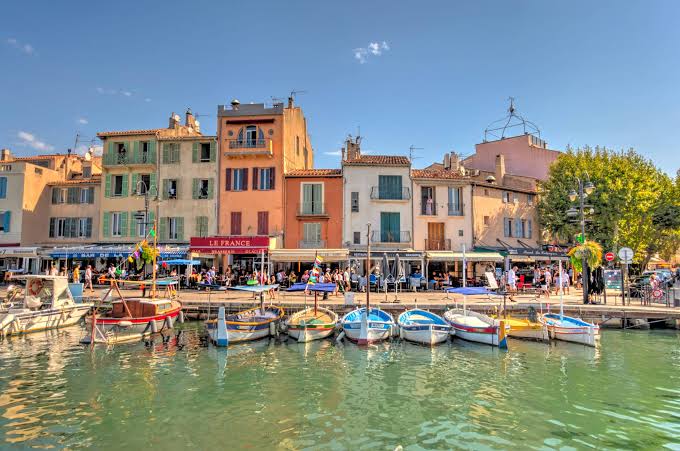
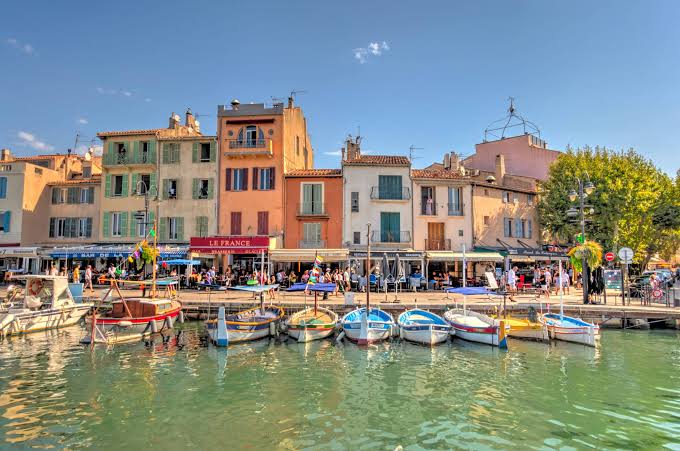
Then came Cassis, another gorgeous French town apparently designed on the understanding that nobody would ever arrive by car.
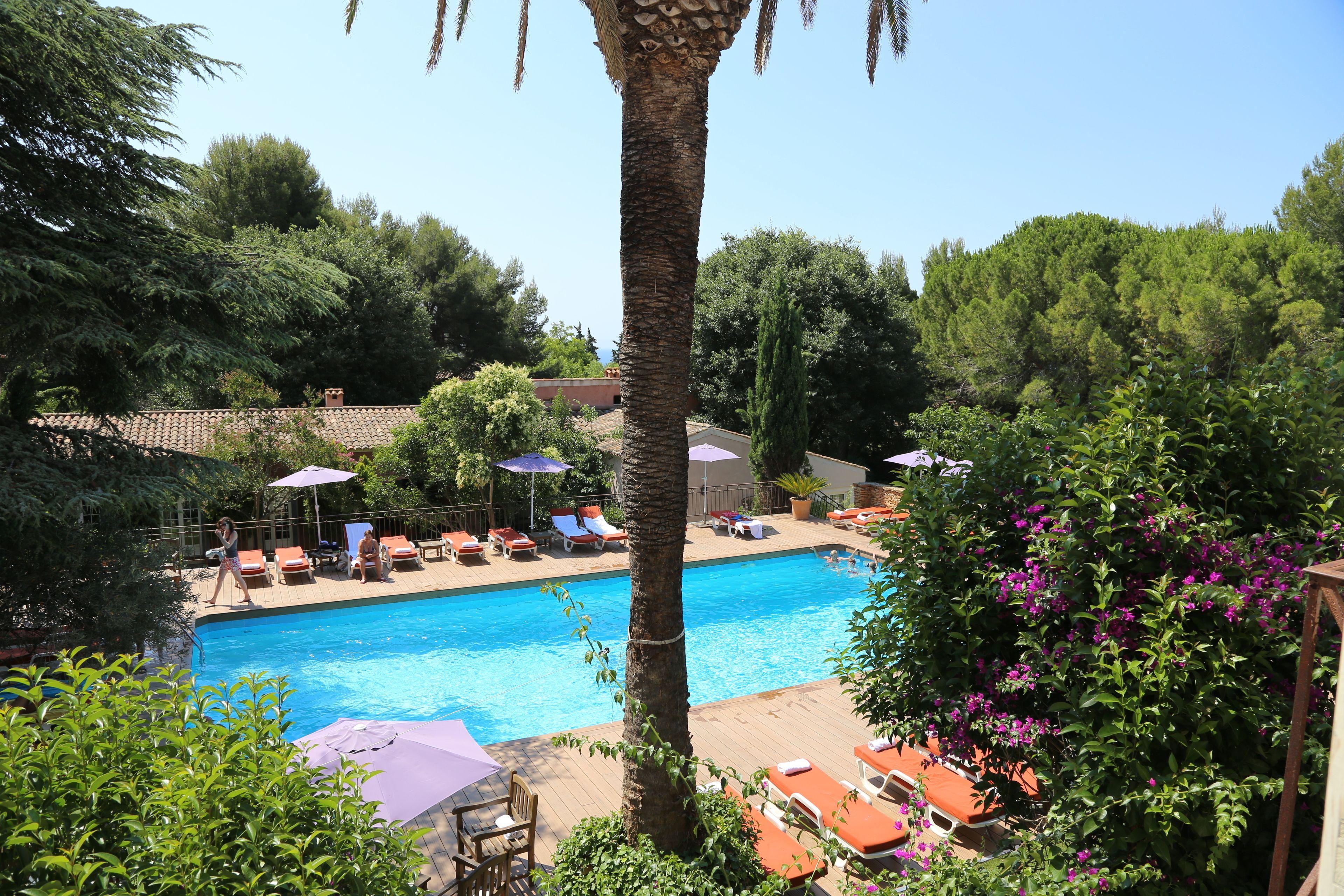
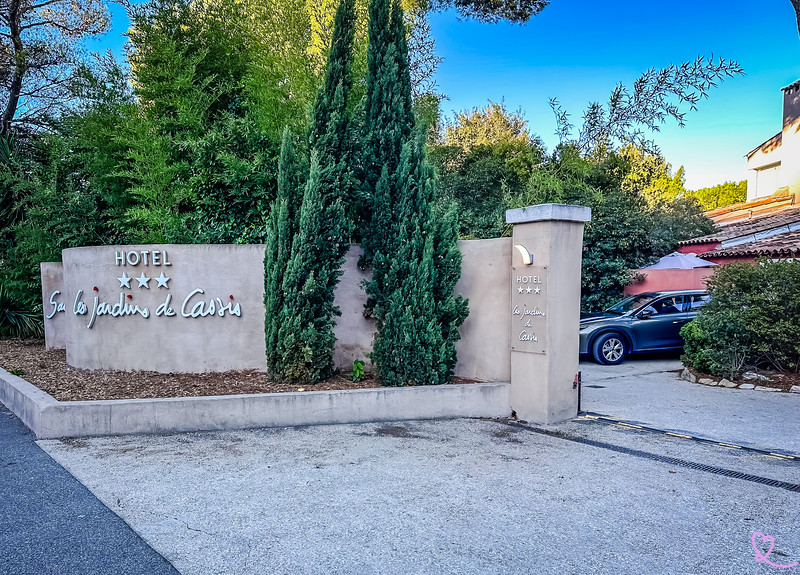
After driving back and forth searching for accommodation, we found a three-star hotel on the hillside. Our room had no conventional windows—none—and what appeared to be old barn doors. The payoff was a beautiful swimming pool, where we spent several hours ordering cocktails before dinner. A good present-day match is **Hôtel Les Jardins de Cassis** (opens in a new tab), a three-star property above town with secure parking, gardens and a heated outdoor pool.
Cassis began as an ancient Mediterranean settlement and grew around its sheltered harbour. High above town stands the privately owned Château de Cassis, developed from medieval fortifications once used to protect the port.
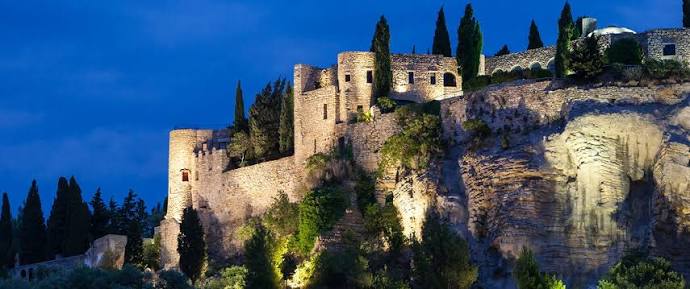
We ate pizza beside the water; travellers can recreate that experience at **Le Bistro** (opens in a new tab), a harbourfront restaurant-pizzeria overlooking Cap Canaille.
As sunset coloured the cliffs and castle above us, the harbour became perfectly still. We wandered through town after dinner and agreed that Cassis was one of the most beautiful places we had ever visited. After all these years, that verdict hasn’t changed—and we will return one day.
Give Cassis at least two nights. Take a boat into the spectacular **Calanques** (opens in a new tab), walk to Port-Miou and Port-Pin, or drive the Route des Crêtes towards La Ciotat for immense views from the cliffs above the Mediterranean.
Cassis to Menton: Allow a Full Day Along the Coast
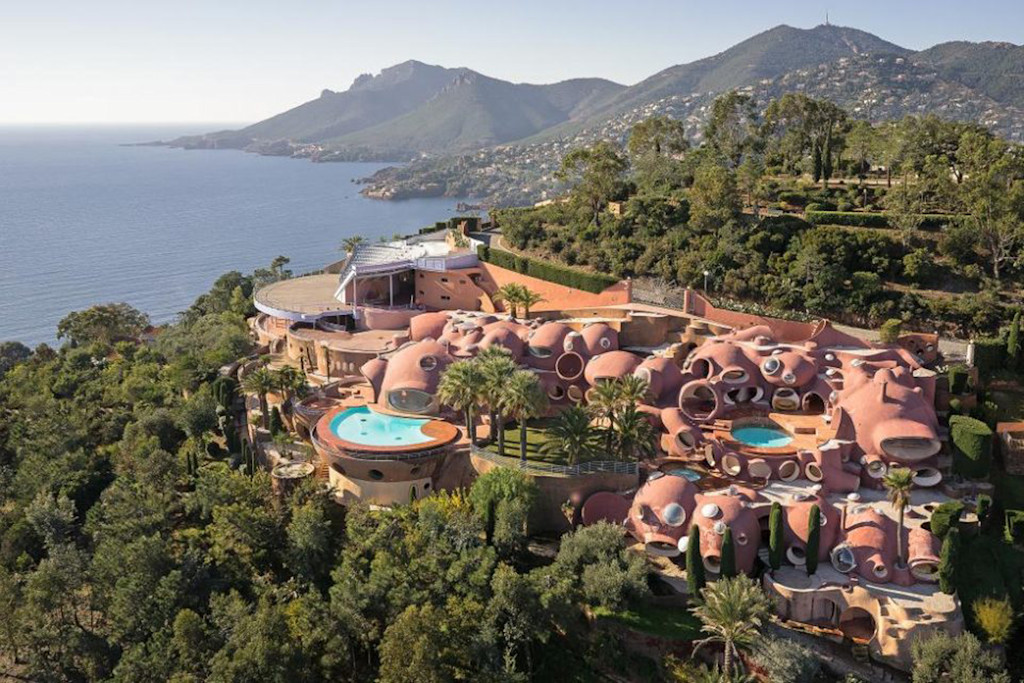
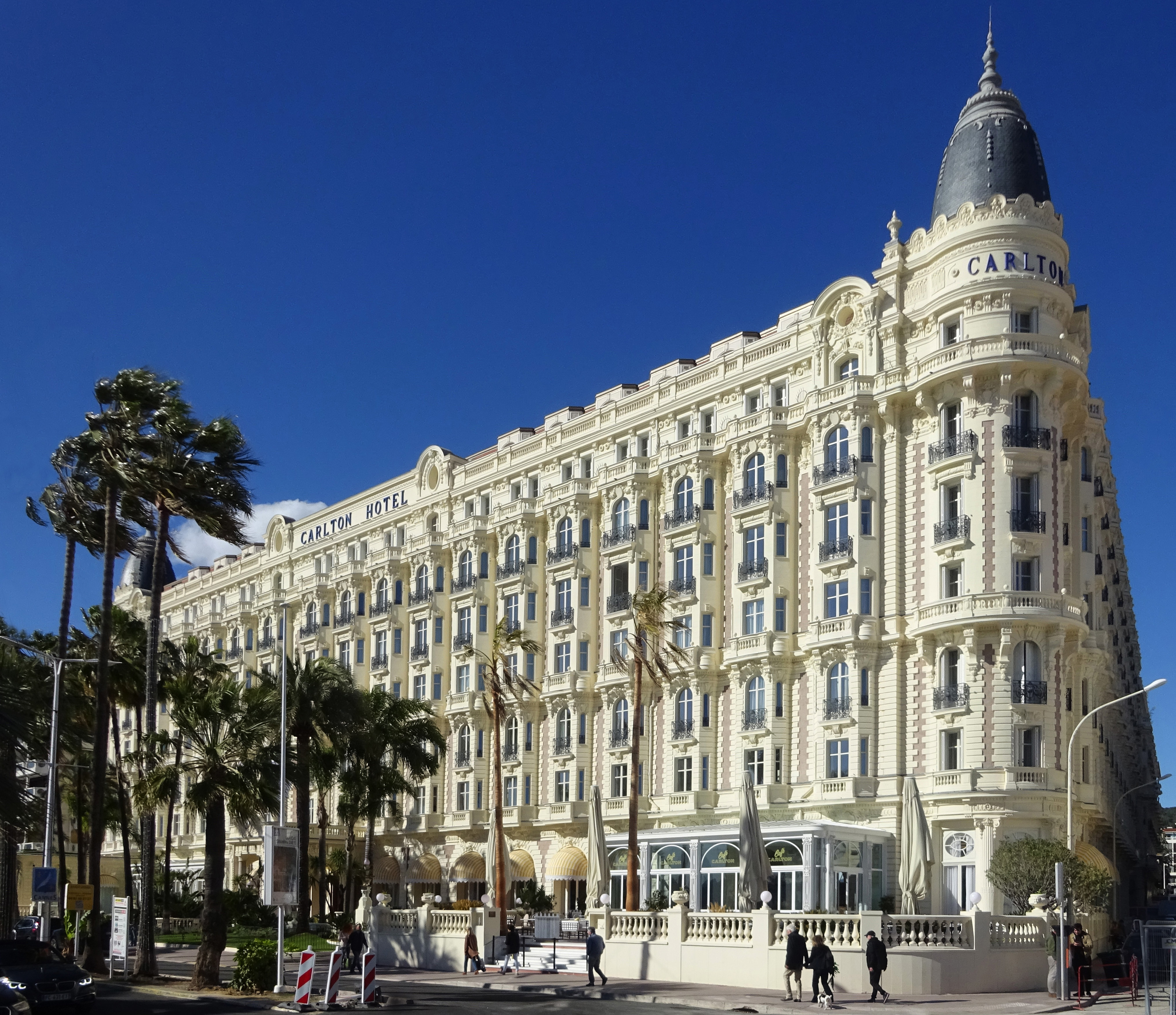
Our final leg followed the Côte d’Azur past Cannes, the grand Carlton Cannes, Nice and Monaco. Near Théoule-sur-Mer we spotted the wonderfully strange Palais Bulles, or Bubble Palace. It was designed by Hungarian architect Antti Lovag and later became the holiday home of fashion designer Pierre Cardin.
Eventually we reached my future in-laws’ apartment in Menton, around 30 minutes from Nice, 20–30 minutes from Monaco and just minutes on foot from the Italian border.
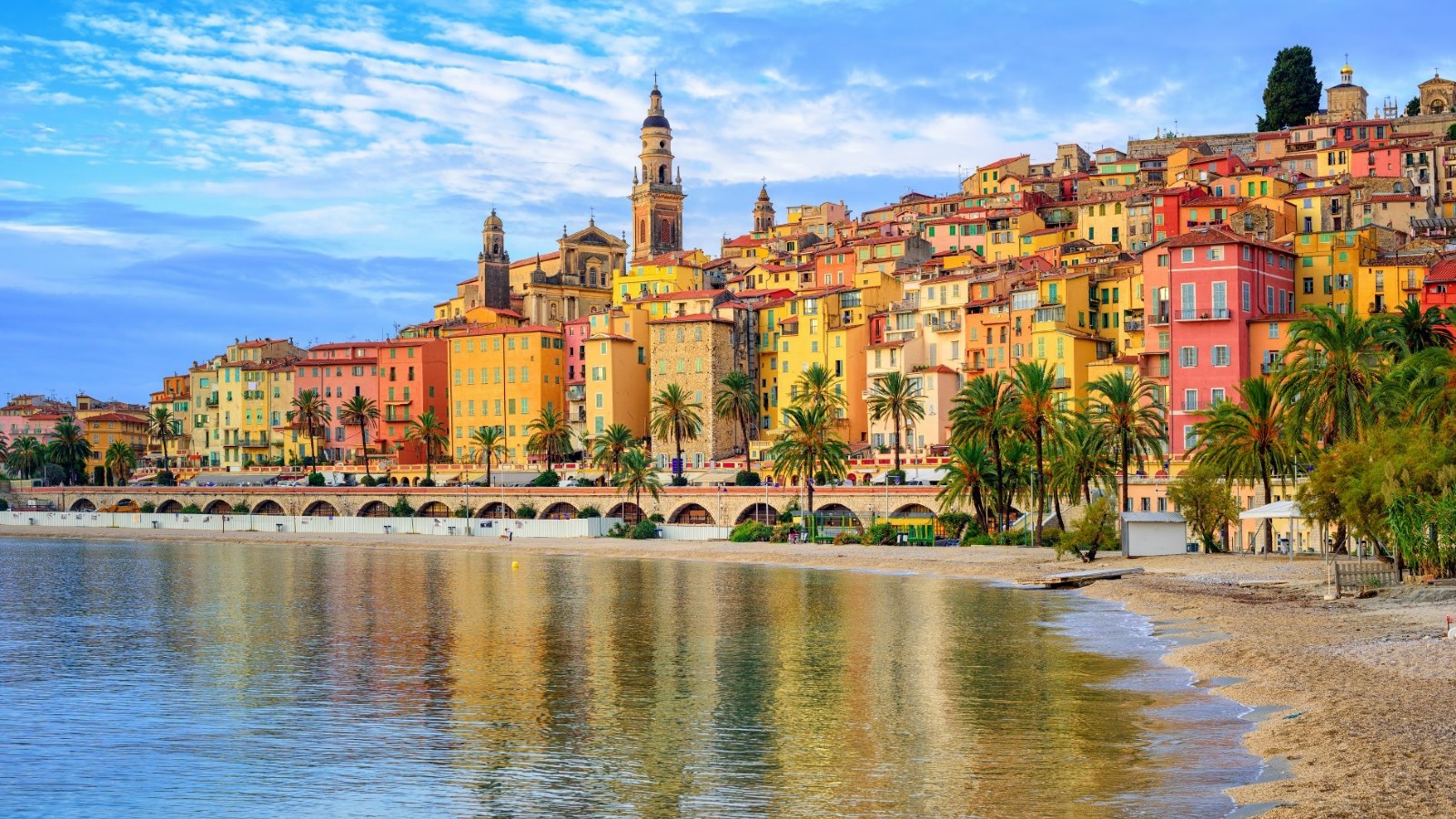
The Mediterranean was outside the front entrance: rocky beaches, waterfront restaurants and evening performers tumbling and backflipping along the promenade. Behind us were stalls selling locally made goods and glorious fresh produce. The figs grown in Menton’s mild microclimate were something else entirely.
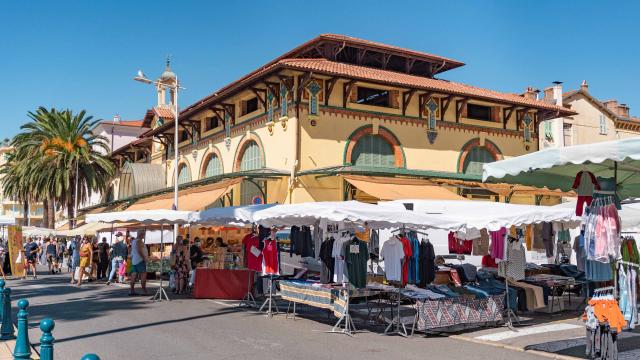
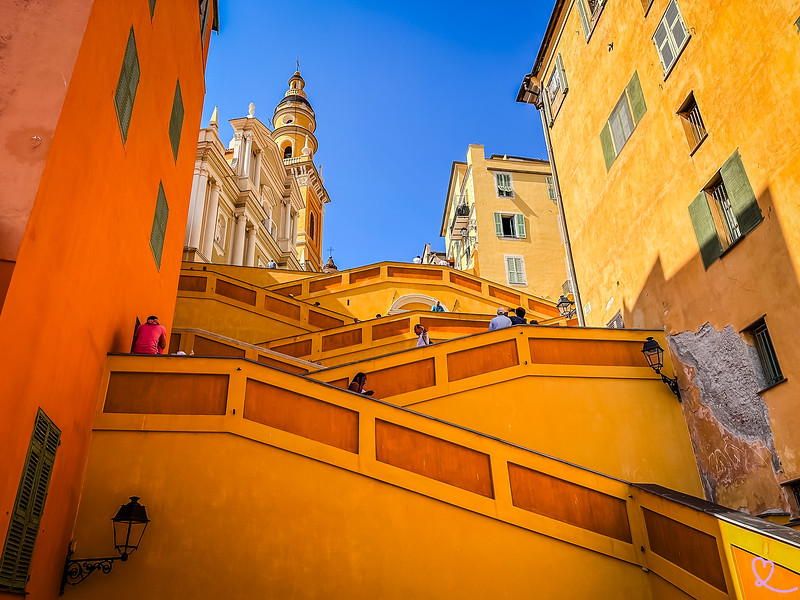
We spent a blissful week swimming, wandering Menton’s colourful old town and using it as a base for day trips. Couples should climb through the old town to the Basilica of Saint-Michel-Archange, shop for picnic supplies at the historic Marché des Halles, and explore the exotic plants at Val Rahmeh Botanical Garden.
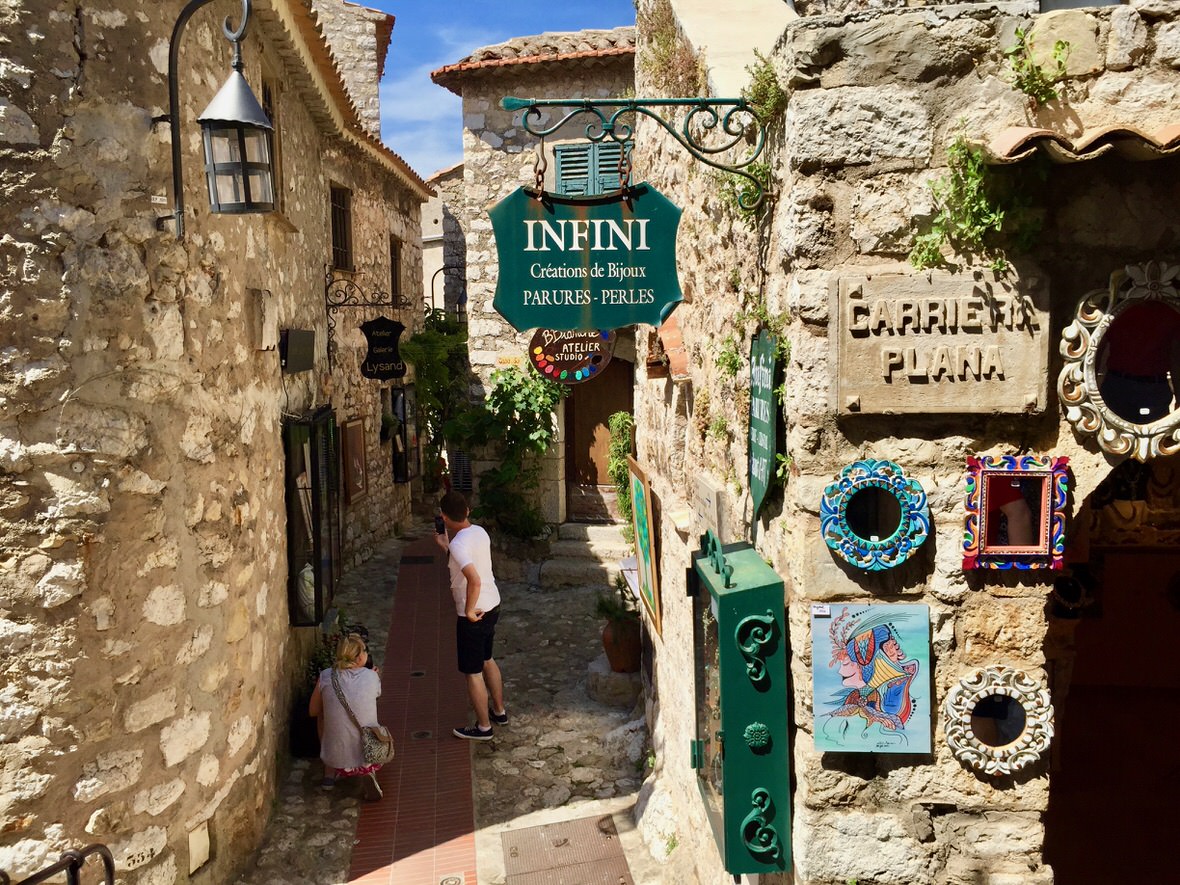
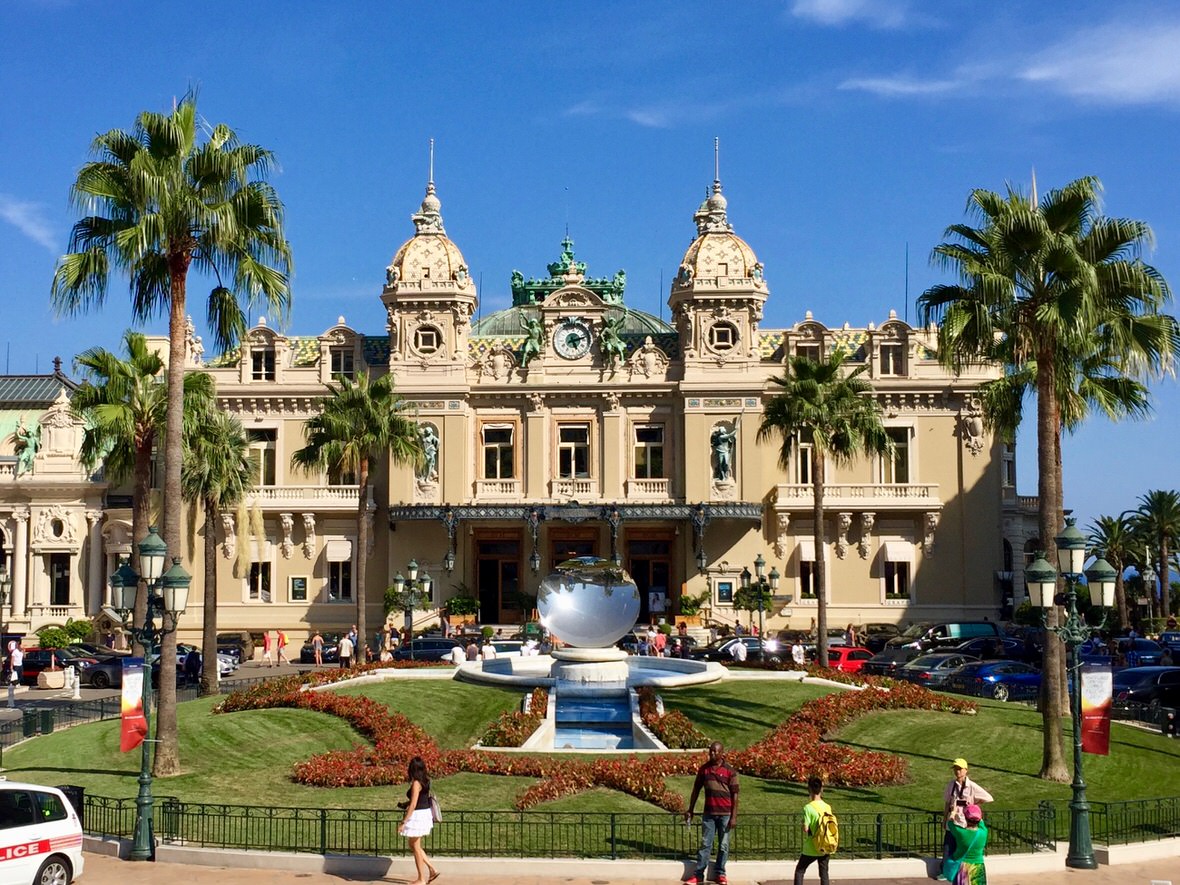
The perched medieval village of Èze is approximately 35 minutes away, while Monaco is roughly 20–30 minutes by car—although the train is often easier. Monaco offers the Casino de Monte-Carlo, the old town on Le Rocher and the Oceanographic Museum, all within 13 kilometres of Menton.
Pro Tips for Driving France
- Avoid collecting your hire car until leaving Paris; parking and city traffic are unnecessary punishment.
- Book accommodation with confirmed parking, particularly in Cassis and along the Riviera.
- Allow far longer than the GPS suggests for the coastal drive. Cannes, Nice and Monaco traffic can turn kilometres into hours.
- France’s autoroutes frequently charge tolls, so budget accordingly.
- Download offline maps, even with modern mobile coverage.
- Don’t drive immediately after a Burgundy wine tasting—base yourself in Beaune and walk.
- Orange’s main market operates on Thursday morning, while Menton’s covered market is open regularly.
Twenty-five years later, some hotel names have vanished and a few memories have blurred around the edges. What remains crystal clear is how this journey felt: exciting, romantic, occasionally confusing and completely unpredictable.
That is the magic of a great driving holiday. The landmarks may bring you to France, but it’s the rooftop views, wrong turns, poolside cocktails, borrowed guitars and quiet Mediterranean nights that follow you home.
Rate this story
No ratings yet — be the first.
Comments (0)
Related stories
Your Tassie Road Trip Now Starts in Geelong – Aboard the New Spirit of Tasmania
Take your car, caravan or motorhome aboard the new Spirit of Tasmania and turn the Geelong to Devonport crossing into the first leg of your Tassie road trip.
Canada’s Icefields Parkway: Calgary to Jasper Through the Rockies
Drive from Calgary to Jasper via Banff, Lake Louise and Canada’s spectacular Icefields Parkway, with glaciers, turquoise lakes, wildlife, unusual stays and Rocky Mountain stops.
Venice to Bolzano via Cortina: Driving Into the Italian Dolomites
Drive from Venice to Bolzano via Cortina d'Ampezzo on an unforgettable Italian Dolomites road trip packed with mountain passes, alpine food, unusual stays and spectacular scenery.
Tasmania’s Wild West Coast – Hobart to Cradle Mountain via Strahan
Drive Tasmania's wild west coast from Hobart to Strahan and Cradle Mountain, discovering convict history, rainforest, waterfalls, great stays and unforgettable wilderness.