
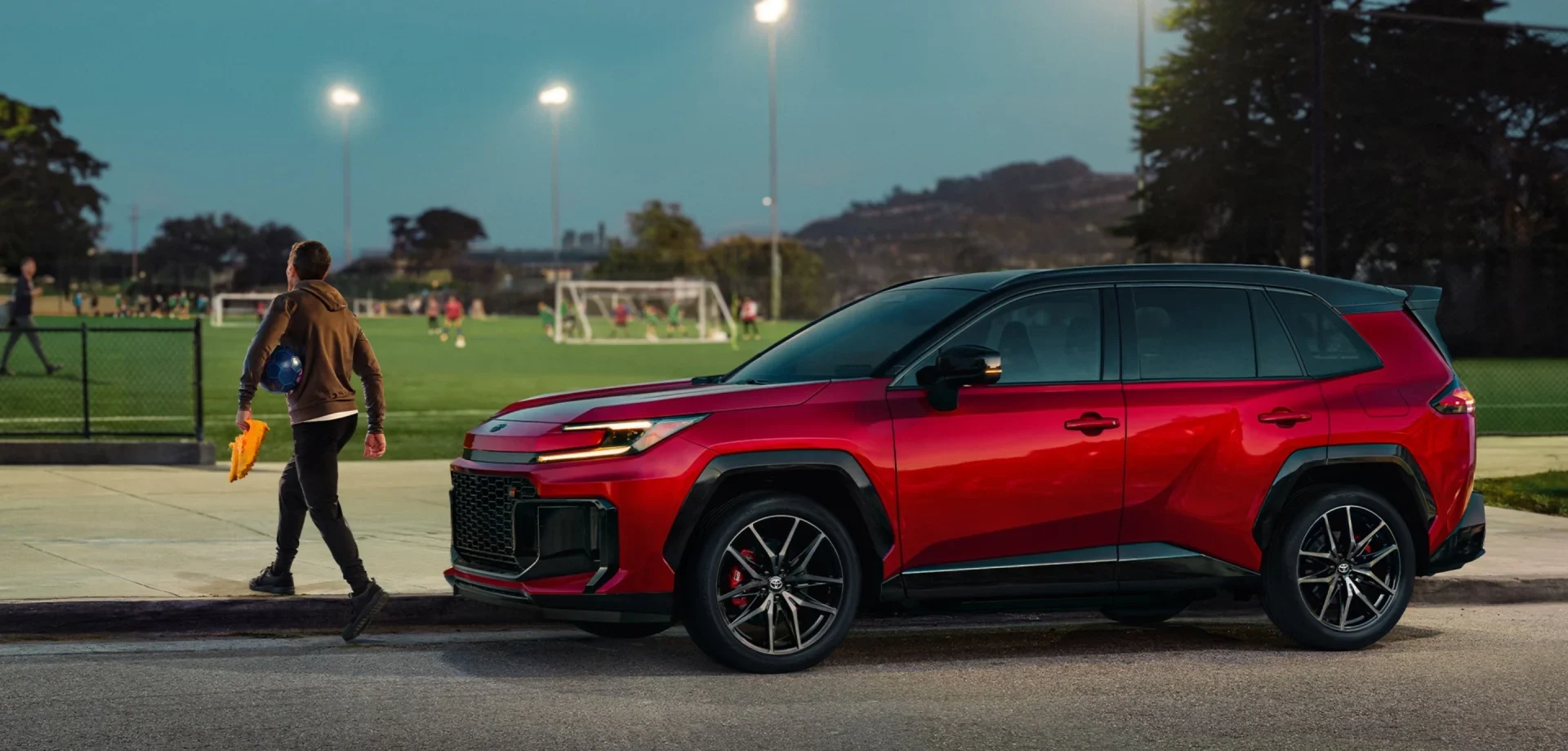
Toyota RAV4 Review: Is This the World’s Most Popular Car?
The Toyota RAV4 has never been the loudest, fastest or most exciting SUV in the car park. Yet it has achieved something that Porsche, Ford, BMW and even Tesla would dearly love: it has become the world’s most popular new
By Andrew Clark · 20 August 2026 · 5 min read
The Toyota (opens in a new tab) RAV4 has never been the loudest, fastest or most exciting SUV in the car park. Yet it has achieved something that Porsche, Ford, BMW and even Tesla would dearly love: it has become the world’s most popular new vehicle.
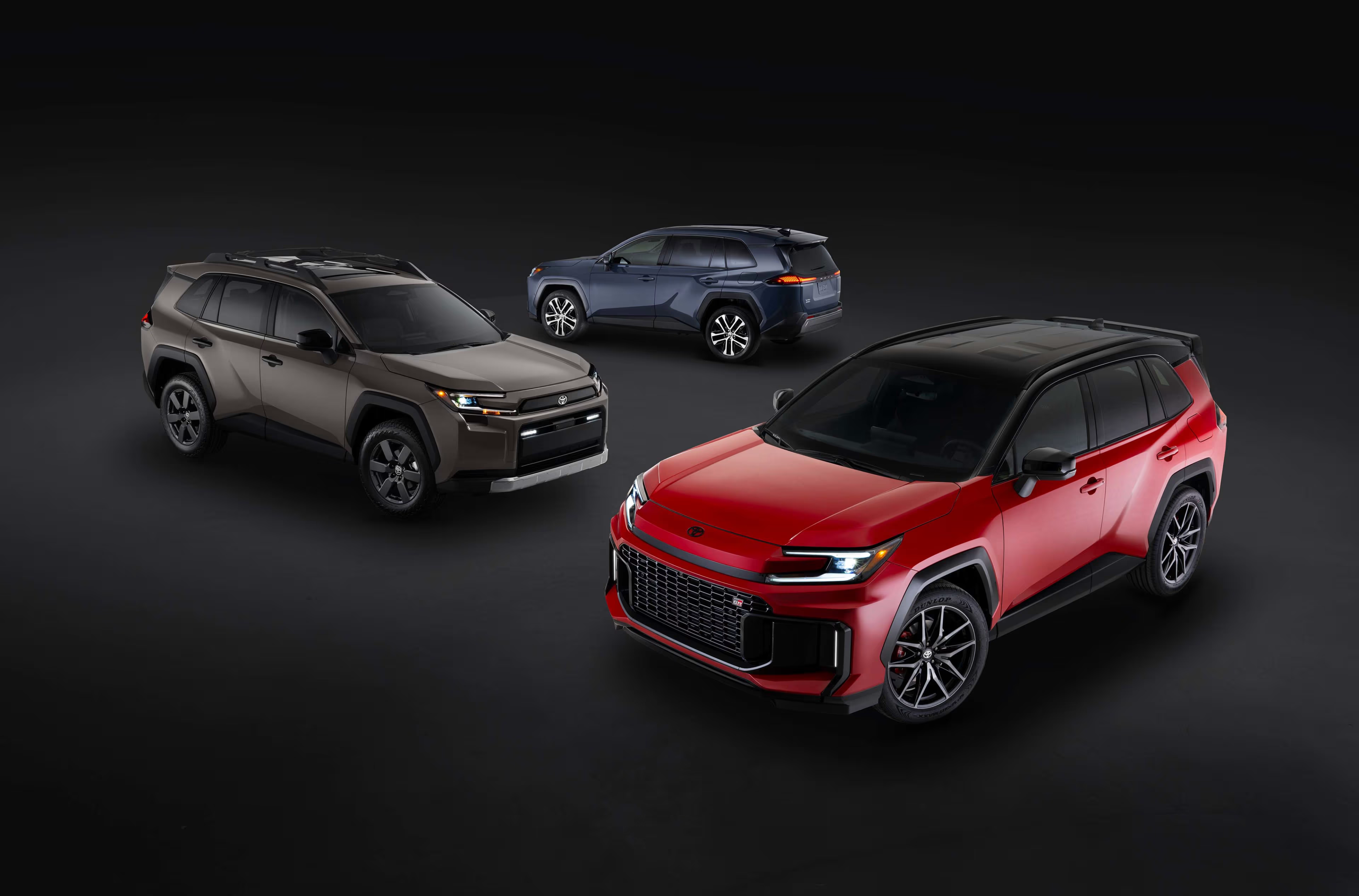
Global sales data indicates that the RAV4 finished 2025 with just over one million sales, narrowly beating the Tesla Model Y. That followed an estimated 1.187 million RAV4 and Wildlander sales during 2024. Toyota itself remained the world’s largest vehicle manufacturer in 2025, selling approximately 11.3 million vehicles across its brands.
So yes—based on the latest completed full year of worldwide sales, the Toyota RAV4 is the world’s most popular car.
Why Is the RAV4 So Popular?
The answer is surprisingly simple: it does almost everything reasonably well.
The RAV4 (opens in a new tab) is large enough for a family, compact enough for supermarket car parks, economical enough for daily commuting and capable enough for weekends away. It doesn’t demand that buyers radically change their driving habits, particularly in hybrid form. You fill it with petrol and drive it—the electrical side simply gets on with helping reduce fuel consumption.
Toyota’s reputation for reliability is another major factor. Buyers generally trust the badge, resale values remain strong and Toyota has one of the largest dealer networks in Australia. For people travelling through regional areas, knowing there is probably a Toyota dealer somewhere nearby provides valuable peace of mind.
The typical buyer isn’t chasing lap times or trying to impress the neighbours. RAV4 owners include families, retirees, regional motorists, company fleets and couples wanting one vehicle that can handle work, shopping and holidays. It has also found favour with drivers who want better fuel economy but aren’t ready to commit to a fully electric vehicle.
What Do We Love?
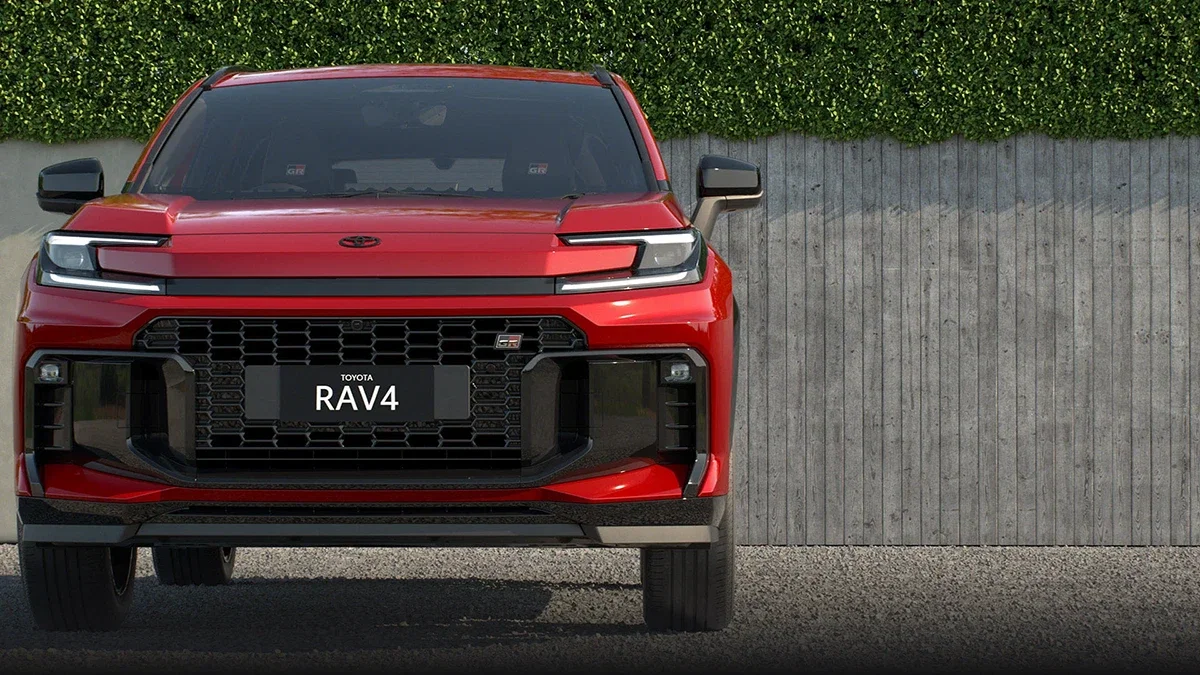
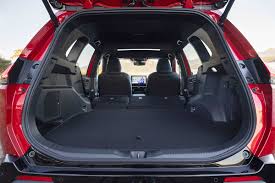
We love the RAV4’s practicality. The latest Australian model provides seating for five, a 60/40-split folding rear seat and up to 705 litres of cargo capacity, depending on the variant. There is enough room for luggage, shopping, sports equipment or the mountain of gear a family somehow requires for one weekend away.
The new-generation Australian range is powered by a 2.5-litre four-cylinder petrol engine paired with Toyota’s hybrid system. Regular hybrid and plug-in hybrid versions are available, along with two-wheel-drive and all-wheel-drive configurations.
Toyota quotes fuel consumption as low as approximately 4.5L/100km for selected hybrid variants, although real-world results will vary. The plug-in hybrid adds the ability to cover many everyday journeys using battery power, with Toyota quoting up to 144km under the more generous NEDC testing standard for the GR Sport.
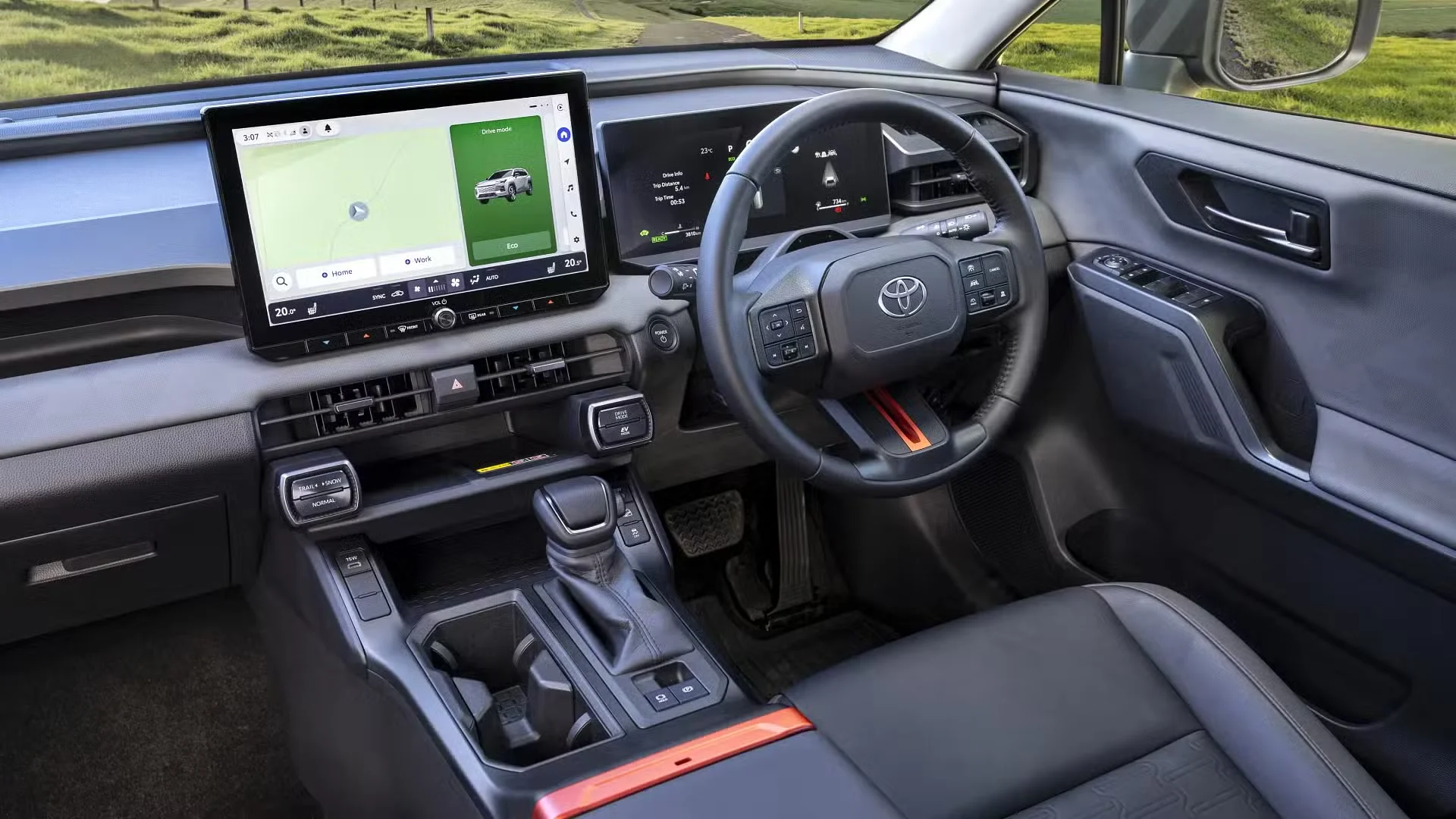
Technology has improved considerably. Depending on the grade, buyers receive a 10.5-inch or 12.9-inch touchscreen, wireless Apple CarPlay and Android Auto, a 12.3-inch driver display, multiple USB-C ports and Toyota’s latest active-safety systems.
On the road, the RAV4 is predictable and easy to drive. It isn’t particularly sporty, but the ride is generally comfortable, visibility is good and the hybrid system delivers smooth performance around town. That dependable, fuss-free character is exactly what many buyers want.
What Would We Like to See Improved?
Public opinion isn’t universally glowing. Some drivers consider the cabin too heavy on hard plastics, particularly given the price of higher-grade models. Competitors such as the Honda CR-V and Mazda CX-5 or CX-50 can feel more polished or premium inside.
The petrol engine can also become noisy under heavy acceleration. Push the throttle hard and the continuously variable transmission can hold the engine at high revs, creating more noise than actual excitement. Steering feedback is limited, while enthusiastic cornering reveals noticeable body lean. This is a capable family SUV, not a sports car wearing hiking boots.
We would have liked Toyota to give the latest generation a more premium cabin, greater refinement under acceleration and fewer subscription-linked connected services.

Can the RAV4 Tow?
Australian AWD hybrid and plug-in hybrid models can tow up to 1,500kg braked, while 2WD variants are rated to 800kg braked. Unbraked capacity is up to 750kg.
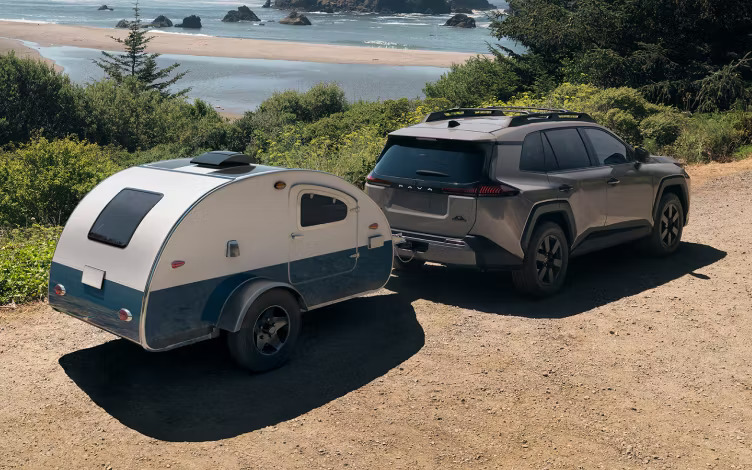
That makes an AWD RAV4 suitable for a small caravan, camper trailer, boat or jet ski—but it isn’t designed for towing a large family caravan. Buyers must also consider payload, towball weight and the vehicle’s GVM and GCM, rather than relying on the headline capacity alone.
Toyota RAV4 – Key Specifications
- Vehicle type: Five-door medium SUV
- Seating capacity: Five
- Engine: 2.5-litre four-cylinder petrol
- Powertrains: Hybrid Electric (HEV) or Plug-in Hybrid Electric (PHEV)
- Drivetrain: Two-wheel drive or all-wheel drive, depending on variant
- Transmission: Electronic continuously variable transmission (e-CVT)
- Maximum power: Up to 227kW in the GR Sport PHEV AWD
- Engine output: 143kW and 221Nm
- Claimed hybrid fuel consumption: From approximately 4.5L/100km
- PHEV electric driving range: Up to 144km under NEDC testing
- Fuel-tank capacity: 55 litres
- Cargo capacity: Up to 705 litres
- Rear seats: 60/40 split-folding
- Braked towing capacity – 2WD: 800kg
- Braked towing capacity – AWD: 1,500kg
- Unbraked towing capacity: 750kg
- Length: Approximately 4,620mm
- Width: Approximately 1,880mm
- Height: Approximately 1,680mm
- Wheelbase: 2,690mm
- Turning circle: 5.68 metres
- Suspension: MacPherson strut front and trailing-wishbone rear
- Wheel sizes: 17, 18 or 20 inches, depending on grade
- Touchscreen: 10.5 or 12.9 inches, depending on grade
- Driver display: 12.3-inch digital display
- Smartphone connectivity: Wireless Apple CarPlay and Android Auto
- Safety: Toyota Safety Sense, eight airbags, active cruise control, blind-spot monitoring, lane assistance, front and rear cross-traffic alerts and autonomous emergency braking
- Australian model grades: GX, GXL, Edge, XSE, Cruiser and GR Sport
Specifications vary between individual hybrid, plug-in hybrid, 2WD and AWD variants.
The Verdict
The RAV4 isn’t the world’s most popular car because it is brilliant in one particular area. It is popular because it presents very few reasons not to buy one.
It is spacious, economical, practical, well supported and likely to retain its value. Some rivals are quieter, more luxurious or more entertaining, but few combine efficiency, versatility and ownership confidence quite as convincingly.
The RAV4 may not set your heart racing—but there’s a very good chance it will start every morning, carry everything you need and quietly get on with the job. For more than a million buyers a year, that is precisely the point.
Sources: Toyota Australia specifications, global RAV4 sales reporting, Toyota worldwide sales.
Rate this story
No ratings yet — be the first.
Comments (0)
Related stories
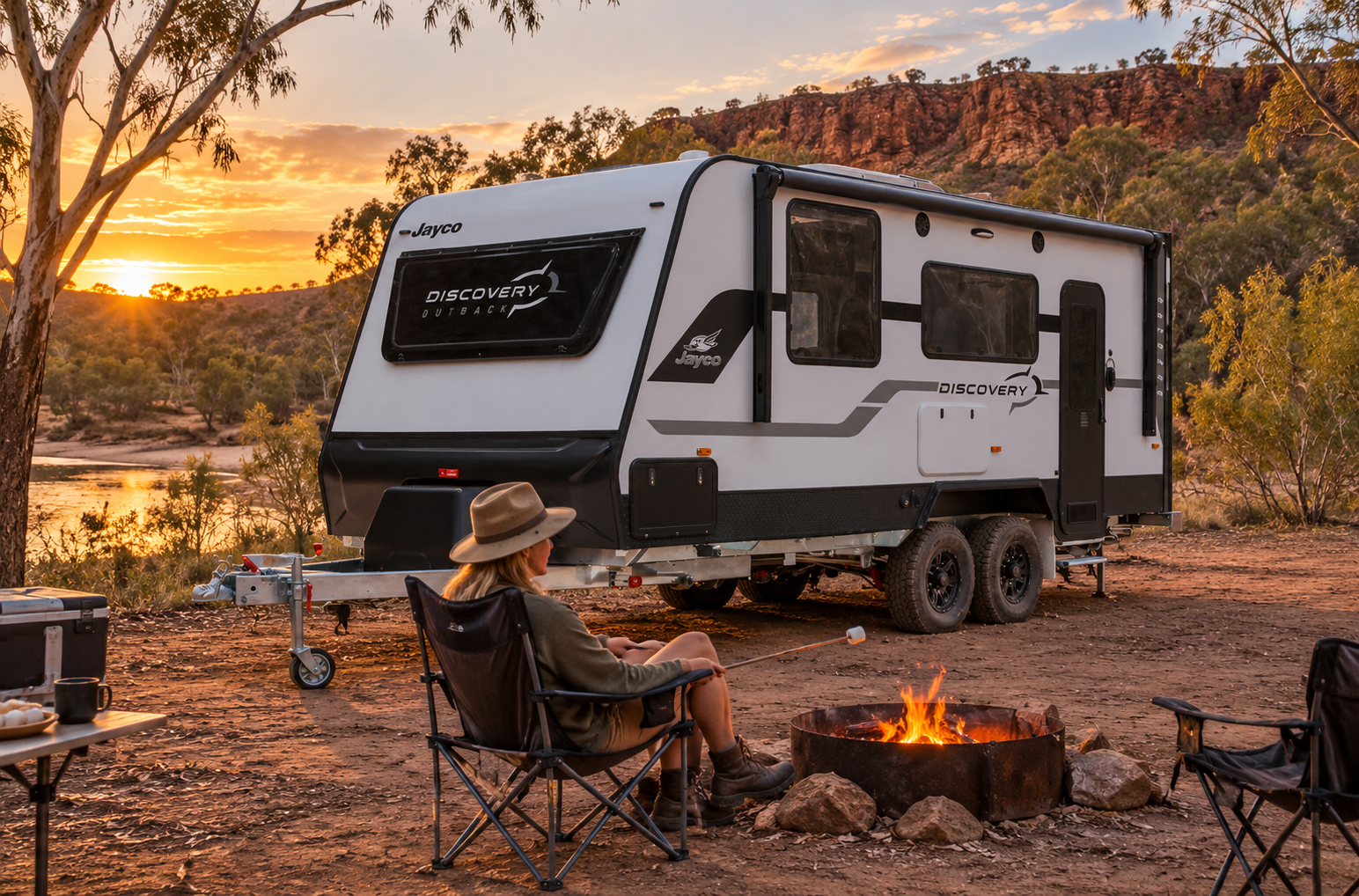
Jayco Discovery Outback: Popular for a Bloody Good Reason
The Jayco Discovery Outback delivers practical Aussie touring with off-grid capability, easy towing and everyday comfort. We explore why this popular caravan remains a favourite for hitting the open road.
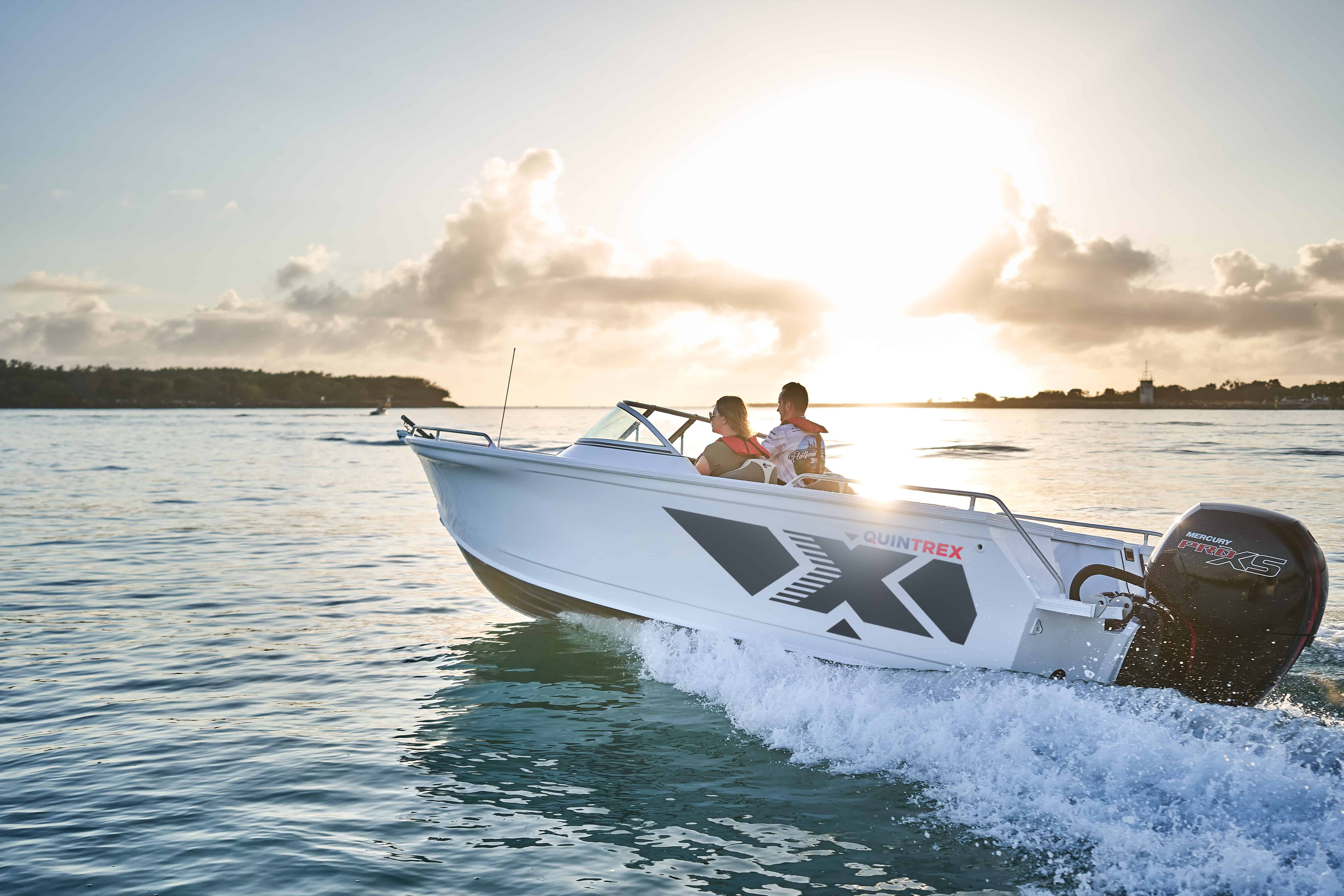
Quintrex 590 Cruiseabout Review – The Aussie Family Boat That Refuses to Pick a Hobby
We review the Australian-built Quintrex 590 Cruiseabout Pro, a versatile 6.21m family bowrider made for fishing, watersports, cruising and road-trip adventures.
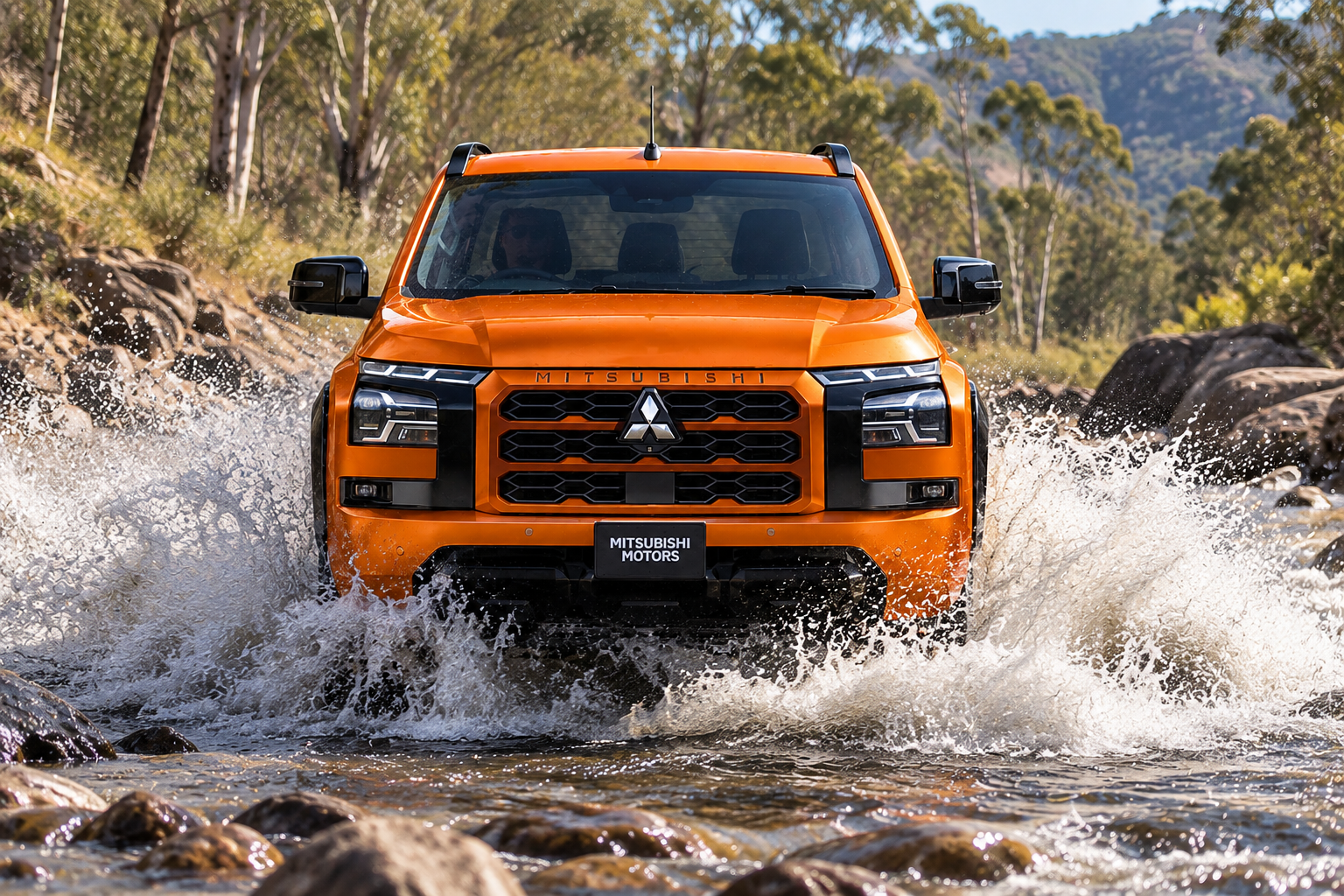
Mitsubishi Triton GLS – The Honest All-Rounder
We review the Mitsubishi Triton GLS, a 150kW bi-turbo diesel 4WD ute with 3.5-tonne towing, family-friendly comfort and genuine work-to-weekend touring ability.
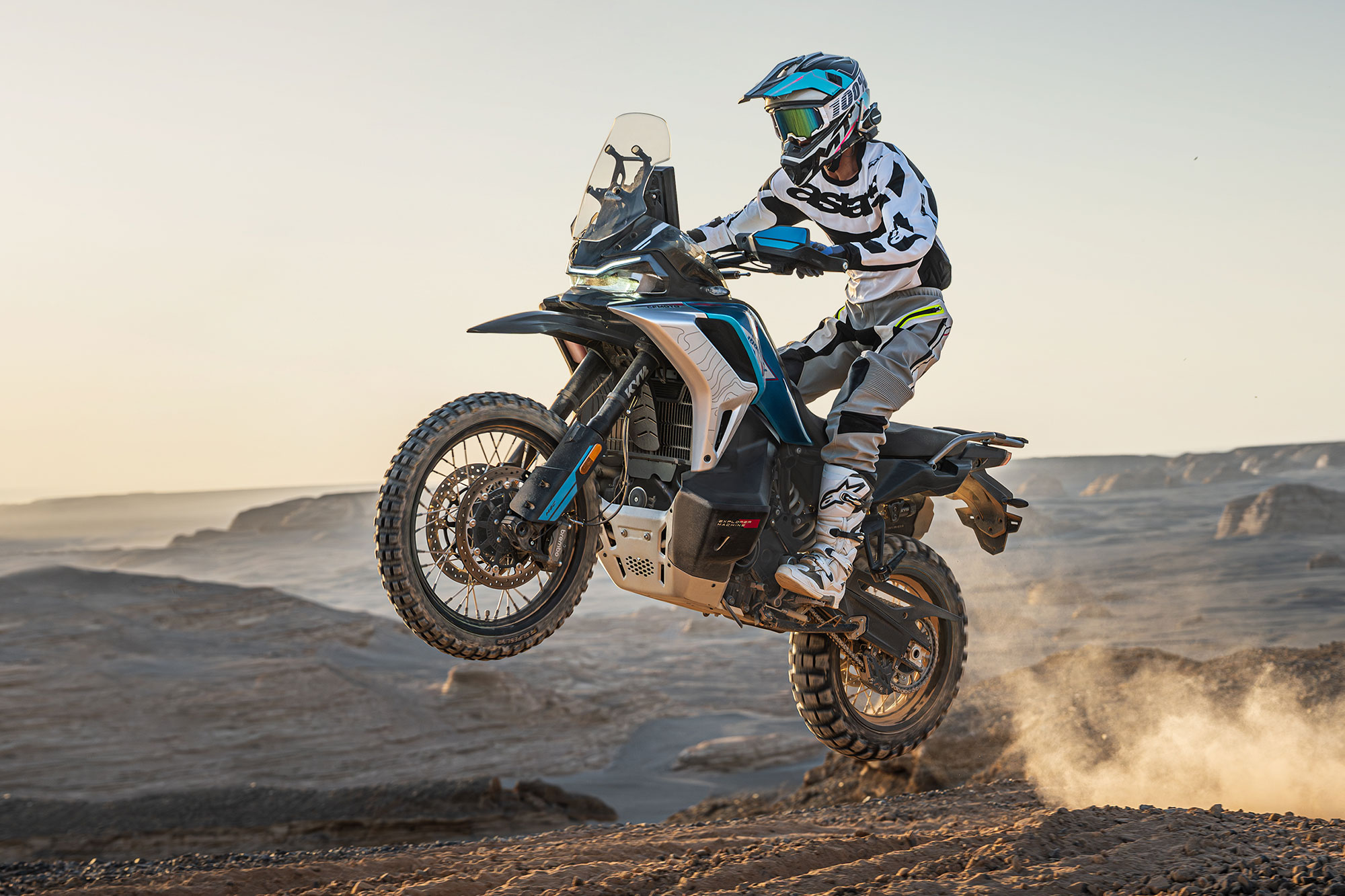
CFMOTO 1000MT-X – A Lot of Adventure Bike for Under $20K
The CFMOTO 1000MT-X packs 111hp, KYB suspension, Brembo brakes and serious touring tech into a highly affordable adventure bike. We look at what you get.