

Portable Satellite Internet: When the Internet Follows You Everywhere
Portable satellite internet can keep you connected beyond mobile coverage, but what does it cost, how much power does it use and is it worth carrying on a road trip?
By Don Handle · 11 October 2026 · 3 min read
From black spots to bar charts, does portable satellite internet really change the way we tour?
There was something rather nice about the old road-trip black spot. No emails. No notifications. And absolutely no chance of somebody from work finding you while you were sitting beside a river 200 kilometres from anywhere.

Portable satellite internet has rather ruined that excuse.
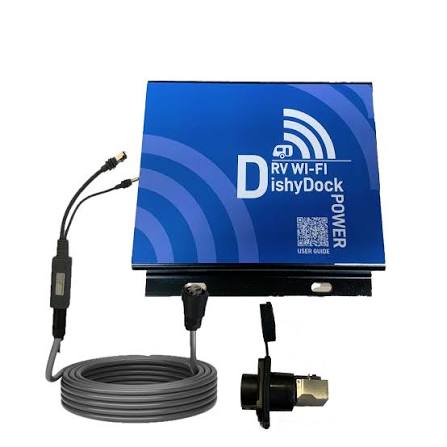
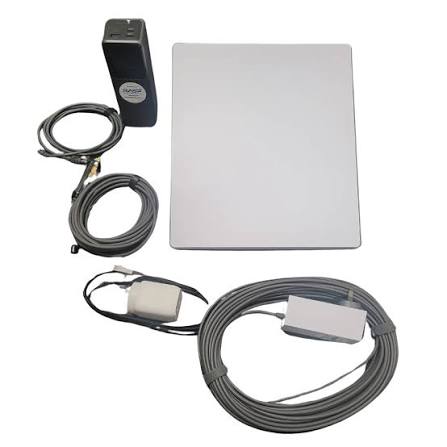
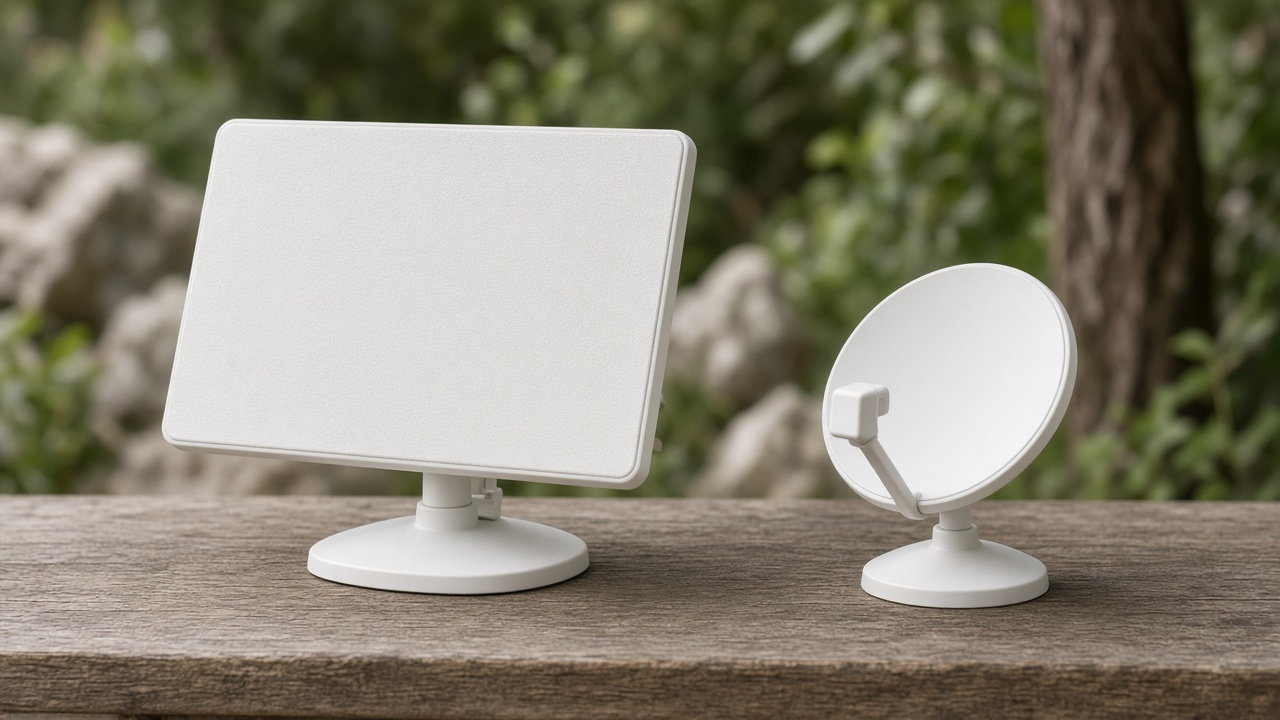
Today’s compact low-Earth-orbit satellite systems can give travellers surprisingly fast internet in places where your mobile phone displays the technological equivalent of a shrug. Current portable units can weigh little more than a kilogram, include their own Wi-Fi router and be up and running within minutes — provided they have a reasonably clear view of the sky.
What’s it actually like on the road?
For grey nomads doing months-long laps, families travelling with screen-hungry kids, remote workers, content creators and weekend campers who still want Netflix after dinner, it can be brilliant.

Pull up, position the antenna, supply power and you can potentially have proper internet well beyond normal mobile coverage. Trees, buildings and other obstructions can interrupt the satellite connection, though, so that beautiful heavily wooded campsite may be great for ambience and lousy for Zoom.
Power is another consideration. Compact systems currently consume roughly 20–40 watts in normal use, while larger units can draw considerably more. That’s manageable with a decent touring battery and solar setup, but leave it running around the clock and those watts quietly become amp-hours.
Then there’s the bill.
Australian portable satellite roaming currently starts around $85 per month for 100GB, with unlimited roaming around $210 per month, although plans and prices change. Some services can also be paused or moved into a lower-cost standby mode between trips.

What we love
The big win isn’t watching YouTube in the bush. It’s being able to check weather, road closures, maps, bookings, messages and potentially emergency information when mobile coverage disappears.
And for digital nomads, it genuinely changes where the office can be.
What we’d like next
Lower power consumption, cheaper casual plans and even smaller hardware. Weekend travellers shouldn’t need another substantial monthly subscription just because they disappear beyond Telstra’s last bar twice a year.
Portable satellite internet predominantly comes from a new generation of US-led low-Earth-orbit satellite technology, although the broader satellite communications industry is becoming increasingly global.
The funny part? We spent decades trying to get better internet everywhere.
Now that we’ve nearly got it, switching the bloody thing off might become the real luxury.
DSP Tip: Before buying, work out your actual reason for needing satellite internet. If it’s safety, navigation and occasional contact, you may not need an unlimited plan. If you’re working remotely, uploading video or travelling full-time, that monthly cost suddenly makes much more sense.
Rate this story
No ratings yet — be the first.
Comments (0)
Related stories
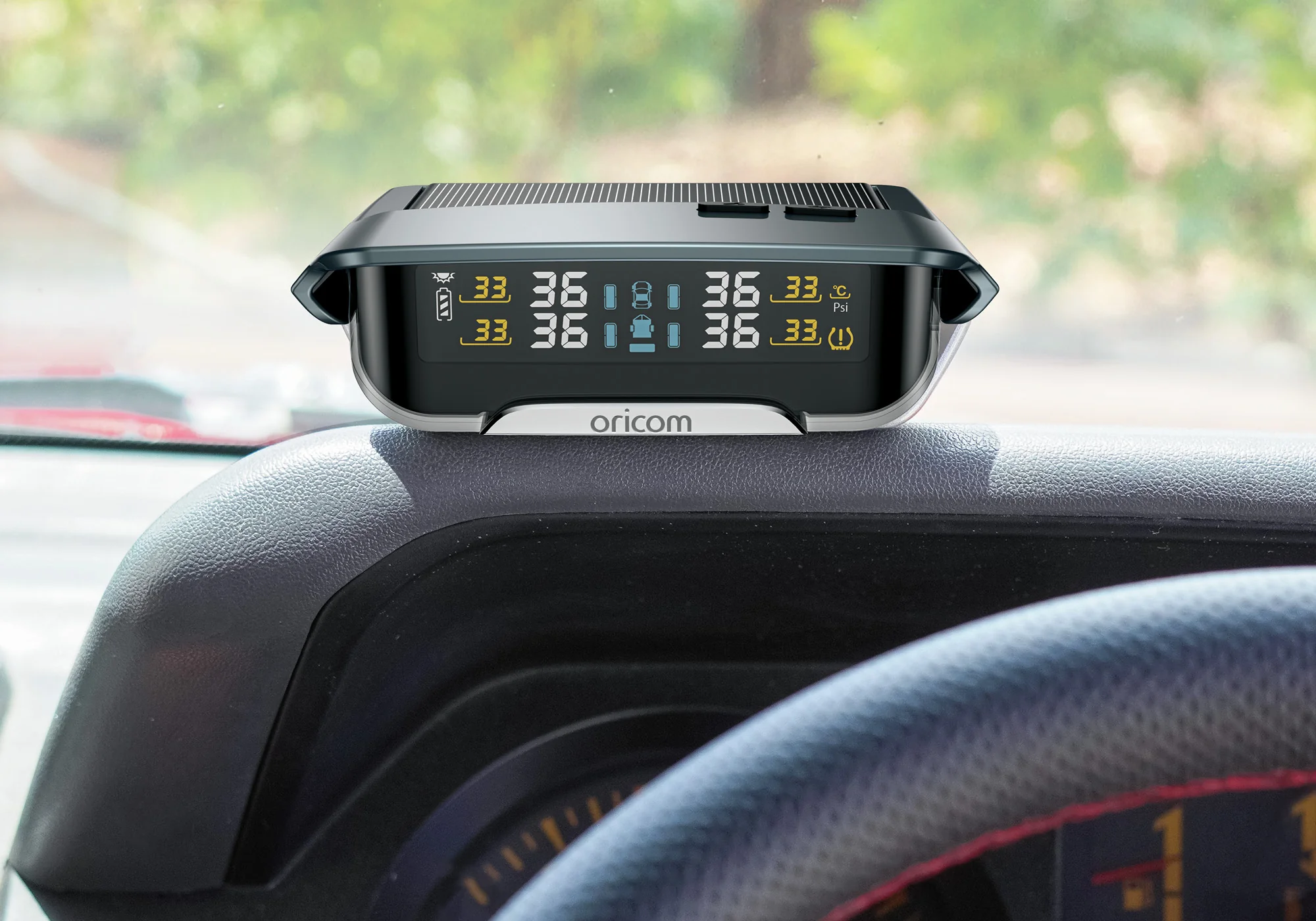
Tyre Pressure Monitoring Systems – Cheap Insurance Against a Ruined Road Trip
A tyre pressure monitoring system can help detect pressure and temperature problems before they ruin your road trip. Here’s what touring and towing drivers should know.
Compact Travel Coffee Makers: Three Ways to Get a Decent Coffee on the Road
We compare the AeroPress Go, Wacaco Minipresso GR2 and Nanopresso for road trips, camping and touring — including taste, size, cleanup and convenience.
EcoWatt Energy – Powering the Road Trip, Big and Small
From caravan lithium batteries to an airline-friendly power bank, we explore EcoWatt Energy’s Australian range for camping, touring and off-grid travel.
Portable Power Station Shootout: EcoFlow vs BLUETTI vs Jackery
We compare the EcoFlow DELTA 3 Plus, BLUETTI Elite 100 V2 and Jackery Explorer 1000 v2 for Aussie road trips, camping and touring.